Kim Little and Frida Maanum updates after Birmingham draw
Arsenal were forced into another reshuffle against Birmingham City after two midfielders dropped out of the squad before kick-off.

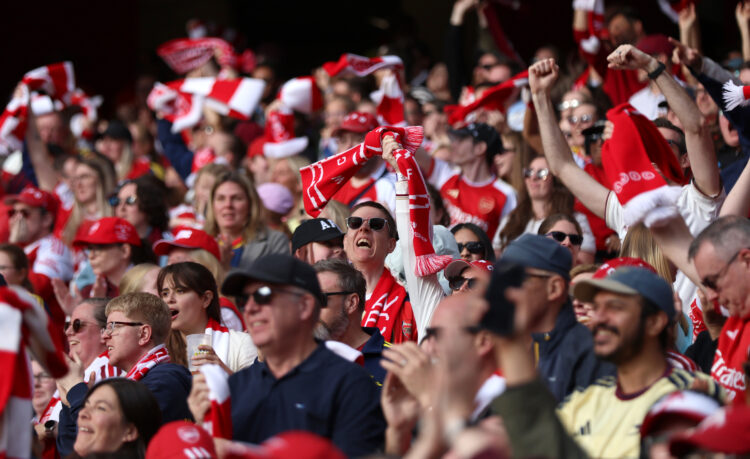
Arsenal were forced into another reshuffle against Birmingham City after two midfielders dropped out of the squad before kick-off.
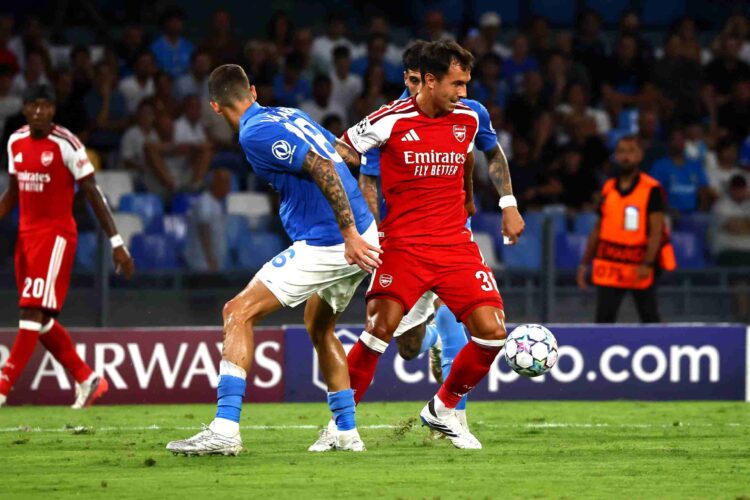
Mikel Merino has owned up to being the player who injured Martin Zubimendi during last week’s post-match warm-down, but he insists his fellow midfielder is alright now.
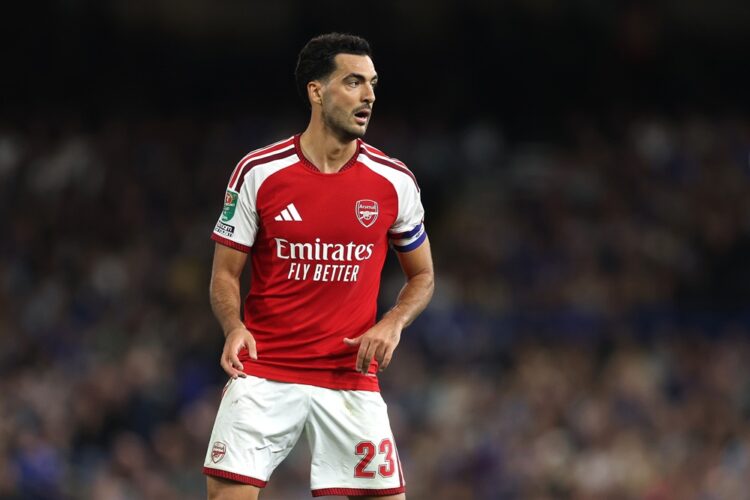
Mikel Merino has revealed that he feared he might never play football again after his freak foot injury with Arsenal earlier this year.
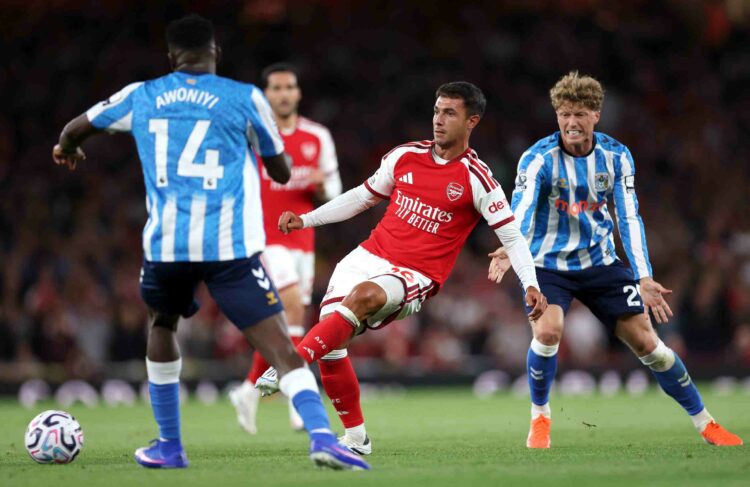
Mikel Arteta had injury updates on Arsenal’s four absentees on Friday, with Martin Zubimendi potentially in line to play against Nottingham Forest.
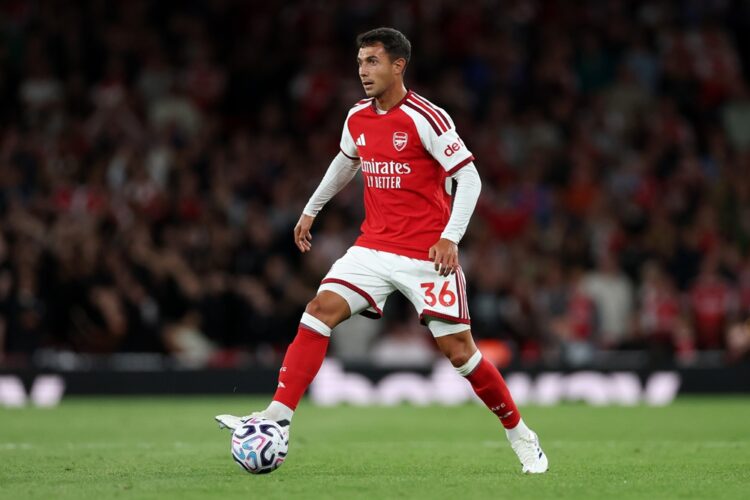
Mikel Arteta has provided a positive update on Martin Zubimendi following the midfielder’s injury absence against Lille, but Piero Hincapie is set to be out for weeks.
Last updated: 18 October 2026
Out: William Saliba, Christos Tzolis, Piero Hincapie, Kepa
Doubt: Martin Zubimendi
Returning: None
| Player | Injured since | Injury Type | Status | Anticipated Return | Matches missed (all comps) | Last update |
|---|---|---|---|---|---|---|
| Kepa | 17/10/26 | Unknown | Unknown | Unknown | 1 | Was not included in Arsenal squad v Forest 18/10/26 |
| Christos Tzolis | 01/10/26 | Hamstring | In recovery | After next international break | 2 | “He’s doing really well. Yesterday he had another MRI scan to see how the injury is evolving. It’s progressing really well, so he’s another one who hopefully we can have back in a few weeks.” Mikel Arteta 16/10/26 |
| Piero Hincapie | 10/10/26 | Ankle injury | Under assessment | November | 1 | Picked up an ankle injury in the post-match warm-down after Leeds United, subsequently missing training on Monday, October 10th. “They’re both going to miss tomorrow’s match (vs Lille), that’s for sure and today they’re going to have a further scan and probably tomorrow we’ll know more. Piero’s one looks a little bit more serious I think.” Arteta 12/10/26 “Piero is evolving really well. Knowing his character and the way he pushes everybody, I’m sure it’s not going to take long, but he will probably need another week or two.” Mikel Arteta 16/10/26 |
| William Saliba | 15/07/26 | Back fracture | In individual training on grass | Unknown | 10 | “We don’t really know the amount of weeks he’s going to be out because it’s about a healing process and everything is a bit different – we know we have to respect certain timings. The progression has been really positive in the last few weeks, but we need to wait and see how that one reacts when we start to put some load into it.” Arteta 04/09/26 “Wilo, obviously not much, he’s in conservative load management right now, so that’s going to take a while.” 27/08/26 “I think next week we have another MRI with him to see how the healing process is at the moment, but every sign so far has been very, very positive. It will be great to have him.” Mikel Arteta 16/10/26 |
Out: Daphne van Domselaar, Katie Reid, Michelle Agyemang, Mariona Caldentey, Chloe Kelly, Selina Cerci, Frida Maanum, Kim Little
Doubt:
Returning: None
last updated 17 October 2026
FA WSL games only
Player | Injured since | Injury Type | Status | Anticipated Return | Matches missed | Last update |
|---|---|---|---|---|---|---|
| Kim Little | Mid October 2026 | ill | In recovery | v Tottenham 24/10/26 | 1 | – |
| Frida Maanum | Mid October 2026 | Muscular | In recovery | 1 | ||
| Selina Cerci | 07/10/26 | Knee | In recovery | Unknown | 1 | Withdrew from German squad 08/10/26 Underwent ‘clean up procedure’ approx 14/10/26 |
| Mariona Caldentey | 04/10/26 | Hamstring | In recovery | Before end of December 2026 | 1 | “It’s a bigger hamstring injury, and the estimate right now is between 8-10 weeks, but we’ll see. We’re re-scanning and we did a re-scan this week and the healing process looks good. So of course we’re hoping for less,” Renee Slegers 15/10/26 |
| Chloe Kelly | 27/09/26 | Hamstring | In recovery | Unknown | 2 | “She’s had some issues with her hamstring and no injury. Nothing we could see from an injury perspective, but been managing something, and at the moment, not available to play” Renee Slegers 29/09/26 “She’s been managing an issue with her hamstring and didn’t consider herself to be in a good enough place physically to perform for the team, so we’re assessing, investigating and making sure that she feels 100% again.” Renee Slegers 2/10/26 “She’s not available” Renee Slegers 15/10/26 |
| Katie Reid | November 2025 | ACL | In training | 2026/27 | 6 | 10/08/26 |
| Michelle Agyemang | October 2025 | ACL | In training | 2026/27 | 6 | “Getting very close to returning now” Michelle Agyemang, 7 October 2026 |
| Daphne van Domselaar | Been carrying injury for a long time | Knee | In individual training “…progressing well after undergoing a procedure on her knee in the off season.” 23/08/26 | September 2026 | 6 | “October is in our minds somewhere [for a return], but we still have to look at how the new response is. Day by day, there is a plan in place, but that plan has been changed several times now. October will be great, but let’s see where it goes. Daphne is working really hard in the background with the medical team.” Renee Slegers 18/09/26 |
Premier League only
Total matches played: 6
Total player matches missed through injury: 16
| Player | Available | Injured in game | Injuries | Matches missed |
| David Raya | 6 | 0 | – | 0 |
| Kepa | 6 | 0 | – | 0 |
| Illan Meslier | 6 | 0 | – | 0 |
| 2 | 0 | – | 0 | |
| William Saliba | 0 | 0 | Back | 6 |
| Christhian Mosquera | 2 | 1 | Left hamstring | 4 |
| Ben White | 5 | 1 | Left groin | 1 |
| Piero Hincapie | 6 | 0 | Unknown muscular | 0 |
| Gabriel | 6 | 0 | – | 0 |
| Jurrien Timber | 3 | 0 | Groin | 3 |
| Riccardo Calafiori | 6 | 0 | – | 0 |
| Ezri Konsa | 5 | 0 | Unknown muscular | 0 |
| Myles Lewis-Skelly | 6 | 0 | – | 0 |
| Martin Odegaard | 6 | 0 | – | 0 |
| Ebere Eze | 6 | 0 | – | 0 |
| 2 | 0 | – | 0 | |
| 2 | 0 | – | 0 | |
| Mikel Merino | 6 | 0 | – | 0 |
| Martin Zubimendi | 6 | 0 | – | 0 |
| Bruno Guimaraes | 5 | 0 | Groin, knock | 1 |
| Declan Rice | 6 | 0 | Unknown muscular | 0 |
| Max Dowman | 6 | 0 | Knock | 0 |
| Bukayo Saka | 6 | 0 | – | 0 |
| 2 | 0 | – | 0 | |
| 2 | 0 | – | 0 | |
| Viktor Gyokeres | 6 | 0 | – | 0 |
| Christos Tzolis | 5 | 0 | Hamstring | 1 |
| Noni Madueke | 6 | 0 | – | 0 |
| 1 | 0 | – | 0 | |
| Kai Havertz | 6 | 0 | Hamstring | 0 |
Total matches played: 2
Total player matches missed through injury: 6
| Player | Available | Injured in game | Injuries | Matches missed |
| Daphne van Domselaar | 0 | 0 | Knee | 2 |
| Misa Rodriguez | 2 | 0 | – | 0 |
| Anneke Borbe | 2 | 0 | – | 0 |
| Isabella Damn | 2 | 0 | – | 0 |
| Emily Fox | 2 | 0 | – | 0 |
| Lotte Wubben-Moy | 2 | 0 | – | 0 |
| Leah Williamson | 2 | 0 | – | 0 |
| Élisa de Almeida | 2 | 0 | Unknown | 0 |
| Steph Catley | 2 | 0 | – | 0 |
| Ona Batlle | 2 | 0 | – | 0 |
| Taylor Hinds | 2 | 0 | – | 0 |
| Katie Reid | 0 | 0 | ACL(25/26) | 2 |
| Smilla Holmberg | 2 | 0 | – | 0 |
| Georgia Stanway | 2 | 0 | – | 0 |
| Mariona Caldentey | 2 | 0 | – | 0 |
| Kim Little | 2 | 0 | – | 0 |
| Frida Maanum | 2 | 0 | – | 0 |
| Geraldine Reuteler | 2 | 0 | – | 0 |
| Kyra Kooney-Cross | 2 | 0 | – | 0 |
| Caitlin Foord | 2 | 0 | – | 0 |
| Olivia Smith | 2 | 0 | – | 0 |
| Michelle Agyemang | 0 | 0 | ACL(25/26) | 2 |
| Chloe Kelly | 2 | 0 | – | 0 |
| Lisa Baum | 2 | 0 | – | 0 |
| Alessia Russo | 2 | 0 | – | 0 |
| Stina Blackstenius | 2 | 0 | – | 0 |
| Selina Cerci | 2 | 0 | – | 0 |
[this table does not include the League Cup]
| Total games | 60 | 241 | |
| Player | Available | Injured in game | Out |
| David Raya | 60 | 0 | 0 |
| Kepa | 57 | 0 | 1 |
| Ben White | 47 | 3 | 13 |
| Jurrien Timber | 45 | 1 | 15 |
| Cristhian Mosquera | 49 | 1 | 11 |
| William Saliba | 51 | 2 | 9 |
| Gabriel | 51 | 1 | 9 |
| Piero Hincapie | 45 | 1 | 15 |
| Riccardo Calafiori | 47 | 3 | 13 |
| Myles Lewis-Skelly | 60 | 0 | 0 |
| Martin Zubimendi | 59 | 0 | 1 |
| Christian Norgaard | 56 | 0 | 4 |
| Declan Rice | 57 | 3 | 3 |
| Mikel Merino | 36 | 0 | 25 |
| Martin Odegaard | 36 | 3 | 25 |
| Ethan Nwaneri | 35 | 0 | 0 |
| Eberechi Eze | 46 | 2 | 4 |
| Bukayo Saka | 48 | 0 | 12 |
| Noni Madueke | 49 | 1 | 11 |
| Gabriel Martinelli | 56 | 1 | 4 |
| Leandro Trossard | 54 | 5 | 6 |
| Viktor Gyokeres | 56 | 1 | 4 |
| Kai Havertz | 25 | 1 | 35 |
| Gabriel Jesus | 41 | 0 | 19 |
| Max Dowman | 39 | 0 | 21 |
Only injuries and illnesses that keep a player out of a game have been counted. Games where a player has been subbed off injured have not been counted but can be seen in the table above.
[this table does not include the League Cup]
| Player | Injuries | Matches missed |
| Gabriel Jesus | ACL 24/25 | 55 (37 + 18) |
| Kai Havertz | Knee, hamstring, groin, muscular | 35 |
| Noni Madueke | Knee | 11 |
| Martin Odegaard | Shoulder x2, knee, muscular, knee, knee | 26 |
| Ben White | Knock, hamstring, unknown, knee | 13 |
| William Saliba | Ankle x2, illness, ankle | 9 |
| Piero Hincapie | Groin, shoulder, groin, unknown | 15 |
| Christian Norgaard | Muscular, unknown | 4 |
| Bukayo Saka | Hamstring, hip, Achilles | 12 |
| Gabriel Martinelli | Groin, knock | 4 |
| Viktor Gyokeres | Hamstring | 4 |
| Kepa | Unknown | 1 |
| Gabriel | Thigh | 9 |
| Leandro Trossard | Thigh, calf, hip | 6 |
| Cristhian Mosquera | Ankle | 11 |
| Declan Rice | Illness, knee, unknown | 3 |
| Max Dowman | Ankle | 21 |
| Riccardo Calafiori | Muscular, muscular | 13 |
| Jurrien Timber | Ankle | 15 |
| Mikel Merino | Foot | 25 |
| Ebere Eze | Calf, unknown | 3 |
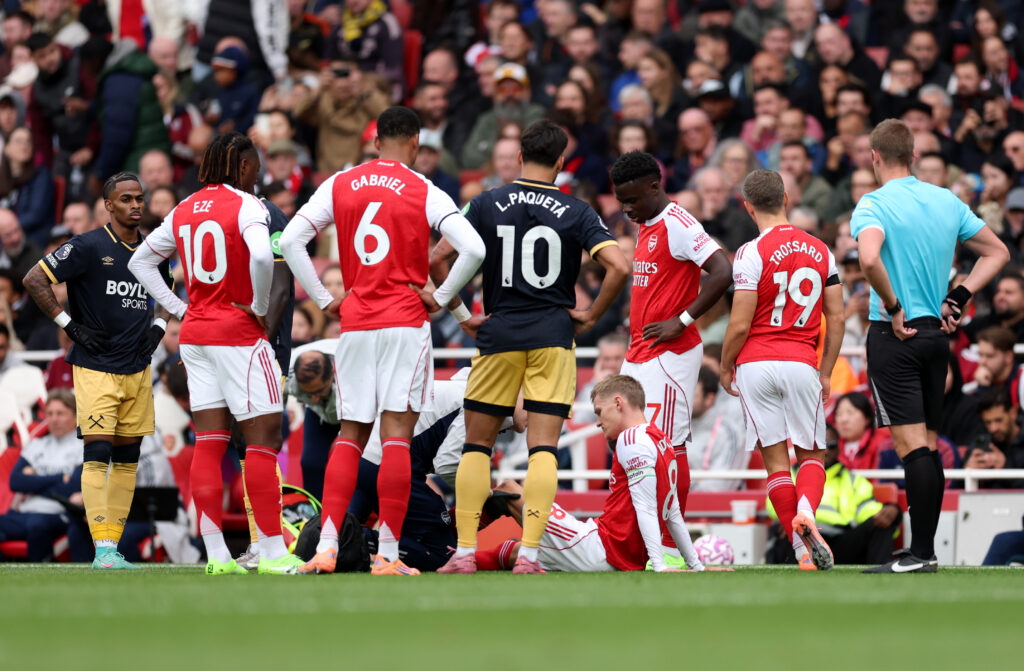
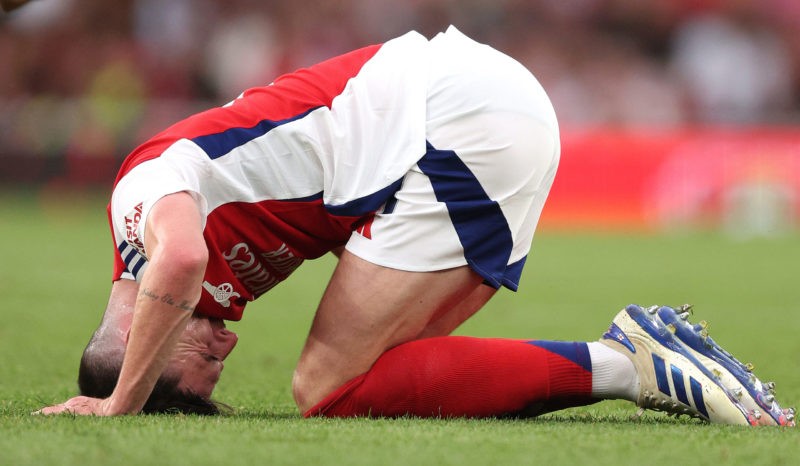
These injuries are common due to the physical demands, rapid movements, and contact involved in football.
| Injury | Minor | Moderate | Severe | |
| Ankle & Foot injuries | Achilles tendonitis | 6 weeks | 3 months | 6 months + |
| Ankle sprain | 2-3 weeks | 4-6 weeks | 6-8 weeks | |
| Calf muscle strain | 1-2 weeks | 3-4 weeks | 6-8 weeks | |
| Fracture dislocation of ankle joint | 6 months + | |||
| Os Trigonum Syndrome (floating bone in back of ankle) | 3-4 weeks | 6-8 weeks | ||
| Plantar fascitis | 2-3 weeks | 4-6 weeks | 2 months + | |
| Knee & Leg injuries | Anterior Cruciate Ligament (ACL) | 4-6 months | ||
| Calf muscle strain | 1-2 weeks | 3-4 weeks | 6-8 weeks | |
| Cartilage Tear (meniscal tear) | 2-4 weeks | 4-6 weeks | 2 months + | |
| Hamstring strain | 1-2 weeks | 3-4 weeks | 6-8 weeks | |
| Lateral Collateral Ligament Sprain | 2-3 weeks | 4-6 weeks | 3 months | |
| Medial Collateral Ligament Sprain | 2-4 weeks | 4-8 weeks | 3 months | |
| Osteochondritis Dissecans (OCD) | 3-5 months | |||
| Patella tendonitis | 6 weeks | 3 months | 6 months + | |
| Posterior Cruciate Ligament | 4-6 weeks | 6-8 weeks | 3-4 months | |
| Thigh strain (Quadriceps strain) | 1-2 weeks | 3-4 weeks | 6-8 weeks | |
| Tibia & Fibula Fractures | 4-6 months + | |||
| Hip & Groin injuries | Abdominal strain (stomach muscle strain) | 1-2 weeks | 3-4 weeks | 6-8 weeks |
| Avulsion fracture pelvis | 8 weeks | |||
| Groin strain (Adductor strain) | 1-2 weeks | 3-4 weeks | 6-8 weeks | |
| Hip flexor strain | 1-2 weeks | 3-4 weeks | 6-8 weeks | |
| Hernia | 8 weeks post-op | |||
| Iliopsoas Syndrome | 1-2 weeks | 3-4 weeks | 6-8 weeks | |
| Lower Back injuries | Facet syndrome | 2-3 weeks | 3-4 weeks | 4 weeks + |
| Sciatica | 3-4 weeks | 4-6 weeks | 2 months | |
| Spondylolysis (stress fracture) | 2-3 months | |||
| Slipped disc | 3-4 weeks | 4-6 weeks | 2 months | |
| Elbow, wrist & hand injuries | Dislocated finger (Mallet finger) | 2-3 weeks | *GK 8-10 weeks | |
| Elbow fracture | 10-12 weeks | |||
| Golfer’s elbow | 1 week | 3 weeks | 6 weeks + | |
| Tennis elbow | 1 week | 3 weeks | 6 weeks + | |
| Metacarpal fractures (hand fractures) | 2-3 weeks | *GK 8-10 weeks | ||
| Wrist fractures (Colles and Scaphoid) | 6-8 weeks | |||
| Shoulder injuries | Acromio Clavicular (AC) joint sprain | 1 week | 4 weeks | 6-8 weeks |
| Dislocated shoulder | 6-8 weeks | |||
| Fractured collar bone | 6-8 weeks | |||
| Fractured humerus | 6-8 weeks | |||
| Rotator cuff (muscle problems) | 2 weeks | 4-6 weeks | 8-12 weeks | |
| Ruptured biceps tendon | 12 weeks | |||
| Subacromial bursitis | 1 week | 2-3 weeks | 6 weeks | |
| Neck injuries | Cervical disc prolapse (Slipped disc) | 6 weeks + | ||
| Whiplash | 1-2 days | 5-7 days | 2 weeks | |
| Data source |
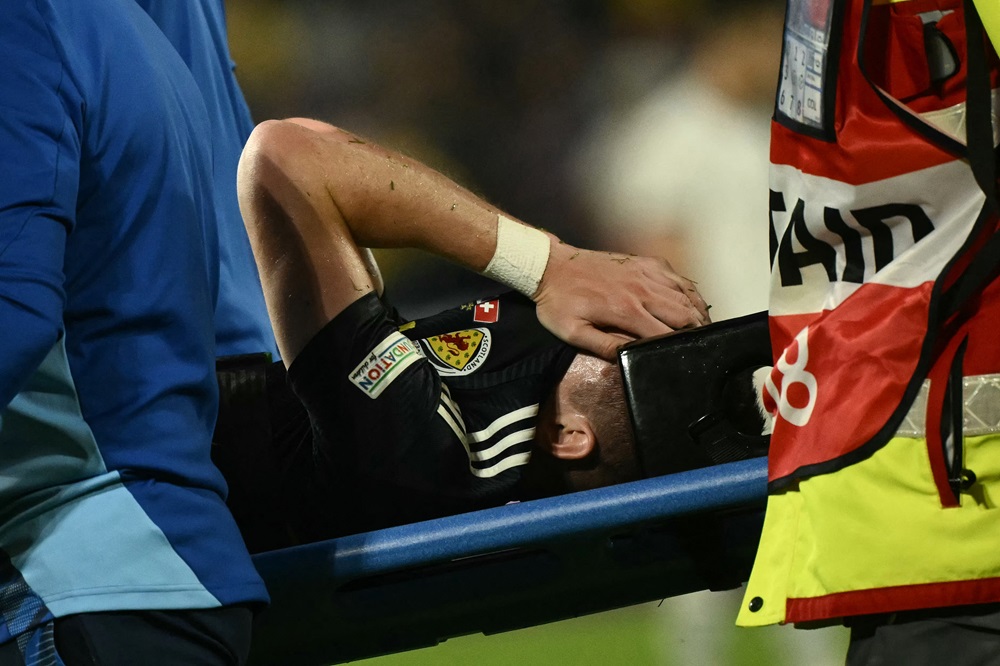
Hamstring injuries are classified into three grades based on their severity. These grades help medical professionals determine the extent of the injury and guide appropriate treatment and rehabilitation plans.
Grade 1 (Mild): A Grade 1 hamstring injury is a minor strain or pull, with only a few muscle fibres affected. There is usually mild pain and discomfort but no significant loss of strength or function. Recovery time for a Grade 1 injury is typically between 1 to 3 weeks, depending on the individual and the specific injury.
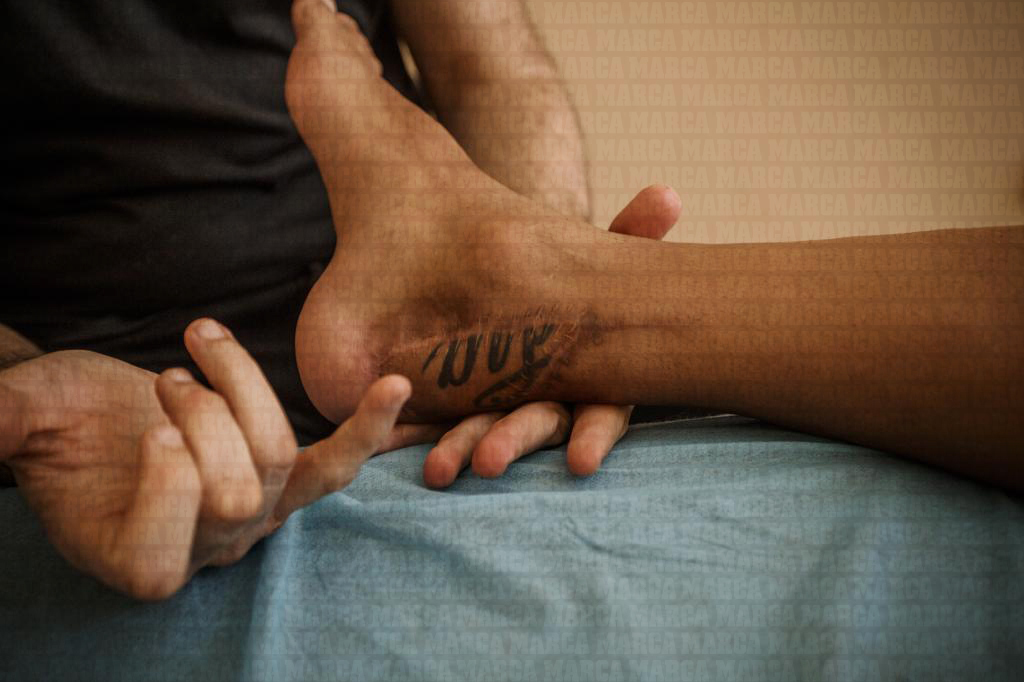
Ankle sprains are one of the most frequent injuries in football and occur when the ligaments that support the ankle joint are overstretched or torn. Ligaments are bands of tissue that connect bones and help stabilise joints. In the case of an ankle sprain, the ligaments around the ankle are damaged, usually due to an awkward landing, twisting motion, or sudden change in direction, which can be common during football matches where players frequently pivot, jump, or collide with others.
Ankle sprains can be particularly challenging for footballers as they may lead to chronic instability or repeated injuries if not fully rehabilitated, impacting performance and long-term mobility. Strengthening exercises and proper rehabilitation are crucial for ensuring a complete recovery and preventing future sprains.
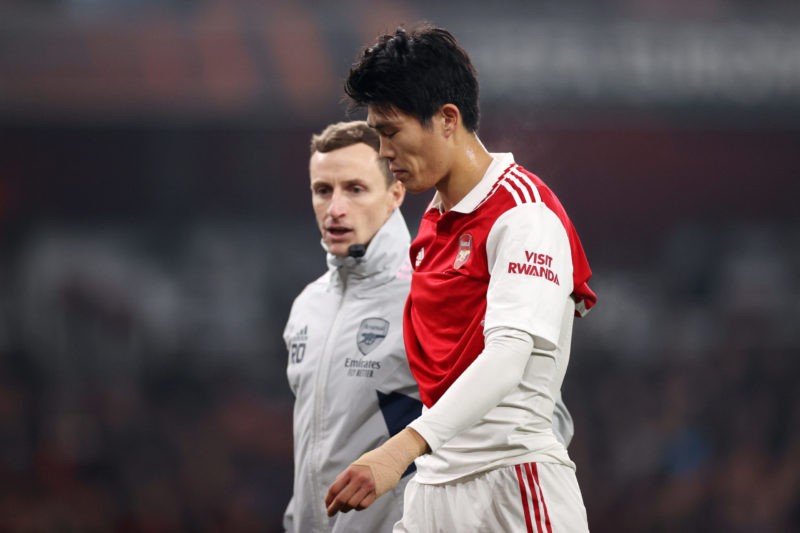
Groin strains are a common injury in football, especially due to the rapid and intense movements involved in the game. A groin strain occurs when the muscles of the inner thigh (adductors) are overstretched or torn. These muscles are crucial for controlling the movements of the legs, particularly in actions such as kicking, sprinting, and changing direction. A groin strain can significantly impact a player’s ability to perform these actions, making it a frequent issue in football.
In more severe cases, physical therapy may be necessary to strengthen the groin muscles and regain full mobility. Gradual rehabilitation exercises will focus on improving flexibility, strengthening the muscles, and preventing future injuries.
Groin strains are a significant risk for football players due to the frequent lateral movements, sprinting, and kicking involved in the sport. While most strains heal with rest and proper rehabilitation, players need to take preventive measures such as warming up thoroughly, stretching, and strengthening the groin muscles to minimise the chances of recurrence. Full recovery is essential to prevent long-term issues and to return to peak performance.

Anterior cruciate ligament (ACL) tears are among the most serious injuries in football, often sidelining players for months and requiring surgery. The ACL is one of the four main ligaments in the knee, responsible for stabilising the joint during twisting, turning, and pivoting movements—actions frequently performed during football matches. When the ACL is overstretched or torn, it leads to significant instability in the knee, often making it impossible to continue playing until recovery is complete.
Treatment for an ACL tear depends on the severity of the injury and the athlete’s needs, particularly in sports like football where knee stability is crucial.
Rehabilitation following an ACL tear is an extensive process aimed at restoring full knee functionality and preventing future injuries. A typical rehabilitation program includes:
Preventing ACL injuries in football involves a combination of strengthening, conditioning, and proper technique training:
An ACL tear is one of the most devastating injuries a football player can face. It not only causes severe pain and instability but also requires a lengthy recovery process, often involving surgery and months of rehabilitation. While some athletes recover fully and return to their previous levels of play, ACL injuries can significantly impact a player’s career. Prevention, including strength and conditioning work, proper technique, and warm-up routines, is essential in reducing the likelihood of this injury.
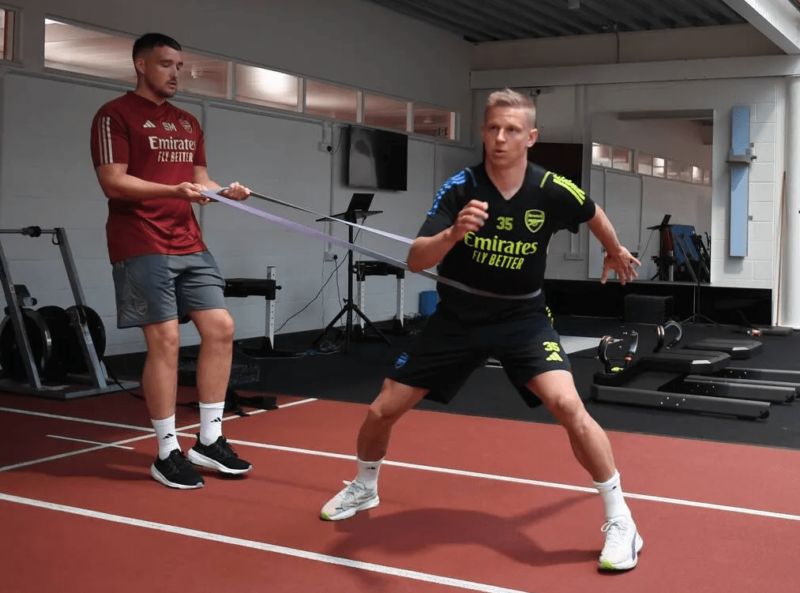
Calf strains are a frequent injury in football, particularly among players who engage in sprinting, jumping, or quick directional changes. The calf muscles, located at the back of the lower leg, play a crucial role in these movements. A calf strain occurs when the muscle fibers are overstretched or torn, leading to pain and limited mobility. These injuries can range from mild discomfort to severe tears that may take weeks or months to heal.
Calf strains, while often considered minor injuries, can be debilitating for football players due to the importance of the calf muscles in running, jumping, and directional changes. Early detection, rest, and proper rehabilitation are crucial for ensuring a full recovery and preventing long-term issues. Taking preventive measures, such as warming up, strengthening, and maintaining flexibility, is key to avoiding calf strains in the future.
When a footballer returns to the pitch after being sidelined with an anterior cruciate ligament (ACL) injury or any other serious setback, it’s often seen as a triumph of determination and medical rehabilitation. However, it’s not uncommon for these athletes to experience a series of muscular or niggly injuries shortly after their return. This is an unfortunate yet frequent occurrence, and it can be incredibly frustrating for both the player and the club. Here’s why these secondary injuries are so common after an extended period on the sidelines.
During the rehabilitation period following an ACL injury, players often experience significant muscle atrophy, especially in the quadriceps, hamstrings, and calf muscles of the injured leg. This weakening occurs because the muscles aren’t being used in the same way as they were before the injury. Even with extensive physiotherapy and strength training, it’s challenging to fully restore the muscles to their pre-injury condition. When the player returns to high-intensity action, the imbalance between the stronger and weaker muscles can lead to strains, tears, and other niggling issues as the body readjusts to the demands of competitive football.
After an ACL injury or another serious setback, players often unconsciously alter their movement patterns to protect the previously injured area. This compensation means they might favour the uninjured leg, placing extra stress on different muscles and joints. These altered biomechanics can lead to overuse injuries in other parts of the body, such as the hips, lower back, or the hamstring of the non-injured leg. This compensatory behaviour can be difficult to correct, even with targeted rehabilitation, making players prone to muscle injuries as they try to perform at their previous intensity.
No matter how comprehensive the rehabilitation programme, players returning from a long-term injury often suffer from some level of deconditioning. This refers to the loss of fitness, strength, and endurance that naturally occurs when an athlete isn’t training or competing at their usual level. In addition to deconditioning, there’s often a decline in neuromuscular control, which is the body’s ability to effectively coordinate muscle movements. As a result, returning players may struggle with their coordination and reaction times, increasing the risk of muscular injuries during the unpredictable and dynamic movements of football.
The mental aspect of returning from a serious injury cannot be overlooked. Players are often eager to prove themselves, and there can be external pressures from the club, fans, or even their own expectations to return to peak performance quickly. This urgency can lead to overexertion, with players pushing themselves too hard, too soon. This increased intensity can place undue stress on muscles that aren’t fully conditioned for match play, leading to the onset of muscular strains, niggles, or even more serious injuries.
While rehabilitation programmes for ACL and serious injuries are highly specialised, they cannot fully replicate the unpredictable nature and demands of competitive football. During rehab, exercises are controlled and predictable, whereas matches involve rapid changes in direction, unexpected collisions, and high-intensity sprints. This mismatch can expose weaknesses or vulnerabilities that weren’t evident during rehabilitation, resulting in minor muscular injuries as the player’s body tries to adapt to the rigours of competitive play once again.
A player returning to action after a long injury layoff is often immediately thrust into a demanding schedule, especially if they’re a key member of the squad. The sudden increase in physical activity can lead to fatigue, making muscles more susceptible to strains and sprains. Fatigued muscles have less ability to absorb impact or respond quickly, increasing the likelihood of niggly injuries during matches or training sessions.
To reduce the risk of these secondary injuries, clubs and players must adopt a gradual and well-monitored approach to reintroducing players into competitive action. This includes:
Muscular and niggly injuries following a return from an ACL or serious injury are common due to a combination of physical, psychological, and biomechanical factors. The process of regaining full fitness and adapting to the demands of high-level football takes time, and the journey is rarely straightforward. By understanding these challenges, players, coaches, and medical staff can work together to reduce the risk of further setbacks, ensuring a safer and more successful return to the pitch.