

Arsenal are backing a four-year research project in Sweden aimed at answering a deceptively simple coaching question, how much tactical information do players actually take with them onto the pitch?
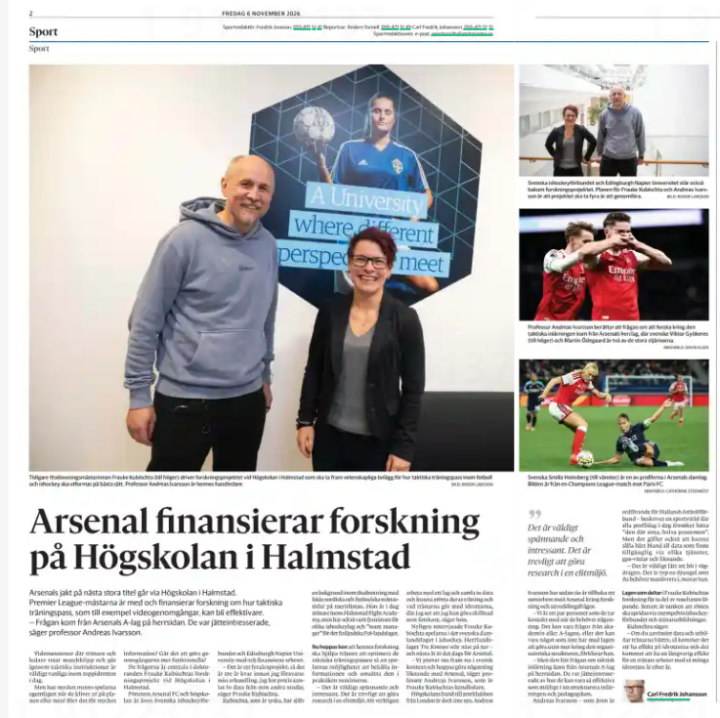
Arsenal are helping fund a four-year research project at Halmstad University in Sweden examining how players absorb tactical instructions and how coaches can make their sessions more effective.
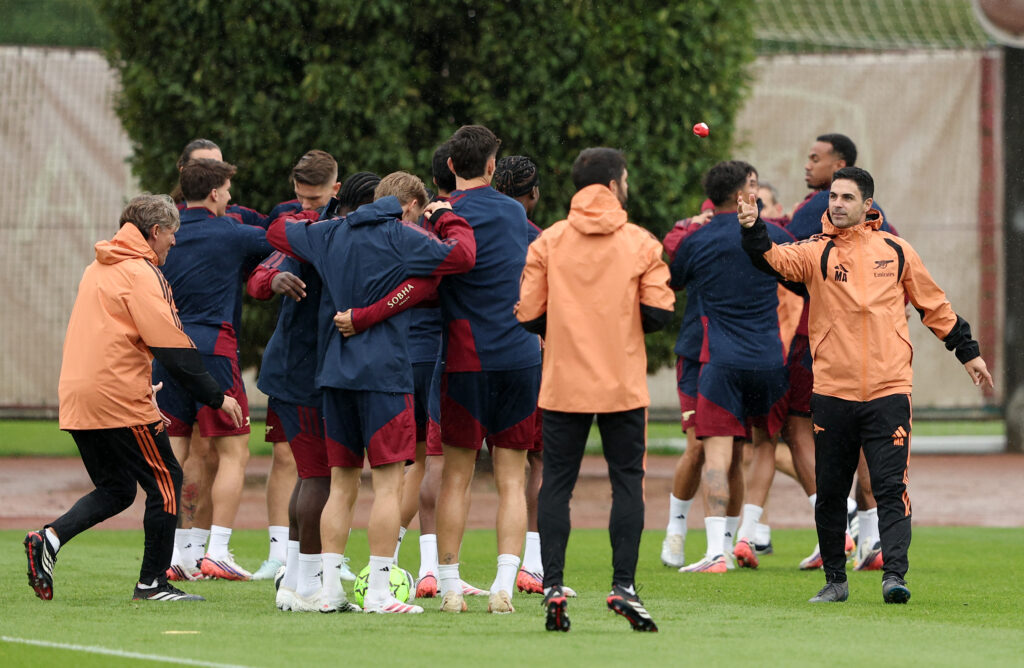
The work grew directly from a question raised by Arsenal’s men’s first team and is looking at the way tactical information is delivered in elite football and ice hockey.
That includes video analysis, team meetings and the broader question of how much information players actually retain once they return to the pitch or ice.
According to Swedish newspaper Hallandsposten, Arsenal are financing the research alongside Halmstad University, the Swedish Ice Hockey Association and Edinburgh Napier University.
Doctoral researcher Frauke Kubischta is leading the project under the supervision of Professor Andreas Ivarsson, who has worked with Arsenal on research and development matters for around a decade according to the report.
“This question about tactical learning came from Arsenal’s men’s first team,” Ivarsson told Hallandsposten. “They were very interested in how they could be as effective as possible in structuring learning and teaching.”
The project is trying to address a problem familiar to coaches at every level, but particularly important in elite sport, where the amount of tactical information available can be vast.
The question is whether detailed briefings and presentations genuinely help players prepare, or whether too much information risks becoming counterproductive if they cannot retain it.
Kubischta hopes the findings will help coaches shape sessions in a way that improves players’ ability to remember tactical instructions and then apply them in competition.
The project still has around three years to run, with research involving Arsenal planned for 2027.
Kubischta has already interviewed members of Sweden’s women’s national ice hockey team and is due to work with the men’s national side next.
“We are testing things in a Swedish context now and hope to do something similar with Arsenal,” Ivarsson said.
Arsenal’s involvement is not a one-off.
Ivarsson said the club had previously approached his research group with questions relating to the academy, the first teams and the wider organisational structure.
He described elite sport as an environment in which clubs are searching for “that last half a per cent”, while also having to work out which information is genuinely useful among the huge quantities of data available to them.
Participating teams receive findings as the project develops, with the intention of eventually sharing the research more widely through governing bodies and coach education.
The report does not reveal how much Arsenal are contributing financially, nor does it identify any changes already introduced at the club as a result of the work.
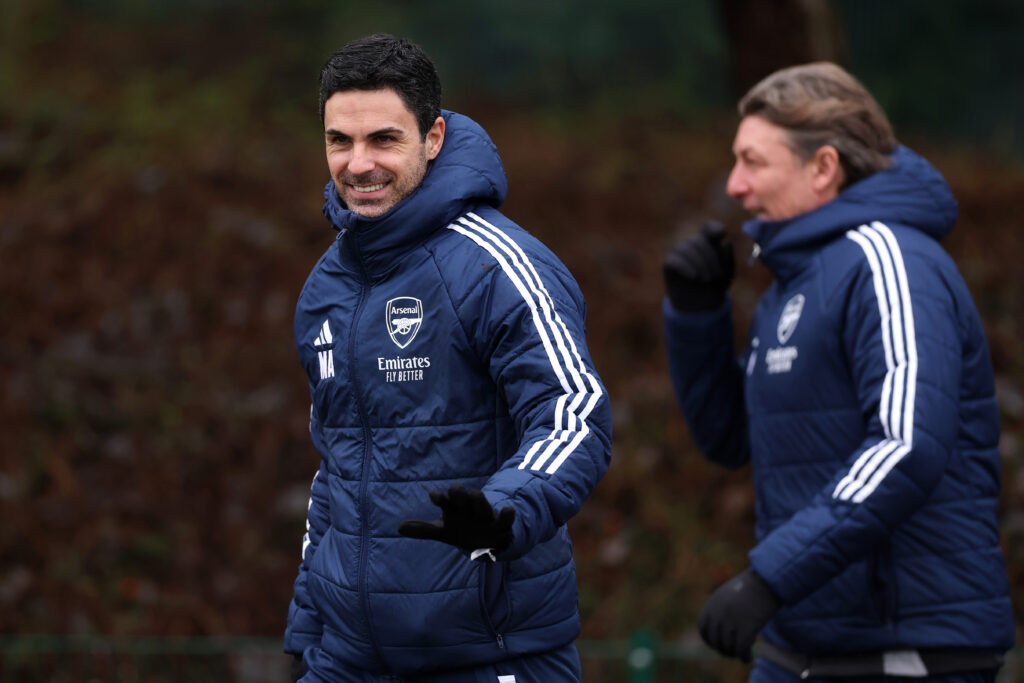
What it does show, however, is the level of detail Arsenal, under Arteta, seek out.

- Arsenal fund university research project prompted by player’s questionArsenal are helping fund a university project examining how players learn tactics, with the research prompted by a question from the men’s first team.
- Former Gunner makes appearance for National League sideArsenal academy product Seb Ferdinand made an appearance for Hornchurch FC in midweek, after leaving the Gunners in the summer.
- Arsenal track winger with 13 g/a in 14 gamesArsenal are tracking RB Leipzig winger Antonio Nusa, but they may struggle to complete the potential signing in January, according to a report.
- Double Arsenal injury update pre-Hull City clashMikel Arteta has provided injury updates on Ezri Konsa and Bukayo Saka, ahead of Arsenal’s match against Hull City on Saturday.
- Arsenal only lost Max Dowman appeal by 1 voteNew reports have now revealed that Max Dowman only lost his red-card appeal by the narrow margin of a 2-1 vote.