
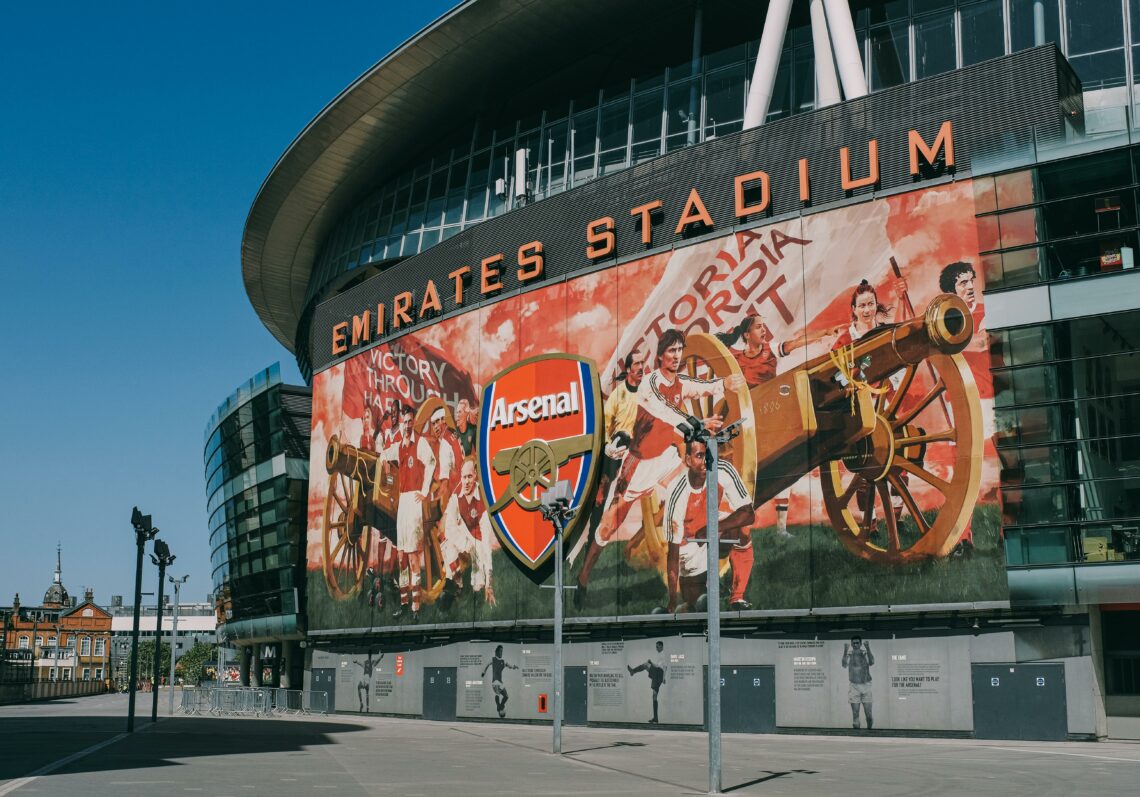

An Arsenal match doesn’t begin when the referee blows the whistle. For many supporters, it starts much earlier. Trains get busier, shirts and scarves appear around north London, and the streets near the Emirates slowly fill with people heading in the same direction.
Football now competes with almost endless entertainment. Someone travelling to a match might spend the journey checking team news, scrolling through social media or browsing something completely unrelated, such as an online casino canada list. Once supporters reach the area around the stadium, though, the familiar matchday routine takes over.
Before the Match
Regular supporters tend to have their own habits. Some meet at the same pub, while others grab food near the ground or simply walk around the stadium before going inside.
These little routines don’t sound particularly important on their own. After years of following a club, they become part of the experience.
There are also people who travel a long way to attend Arsenal matches. For them, arriving in north London can feel like more of an occasion. They may only get to the Emirates once or twice a season, so even the walk towards the stadium becomes something worth remembering.
A Sense of Place
Arsenal’s connection with north London goes far beyond the current stadium.
Highbury remains an important part of the club’s story, and its proximity to the Emirates means the old and new homes don’t feel completely separated. Supporters walking through the area are surrounded by reminders that Arsenal have been part of the neighbourhood for generations.
That local identity matters, even for a club followed around the world.
Television and streaming have made it possible to support Arsenal from almost anywhere. Yet the streets around the ground still give matchdays a character that can’t really be reproduced through a screen.
The Crowd Changes Everything
There are matches that look fairly ordinary on television but feel completely different inside the stadium.
A tackle can get the crowd going. A referee’s decision can change the mood within seconds. When Arsenal are pushing for a late goal, even a corner can bring thousands of people to their feet.
That shared reaction is one of the reasons supporters continue going to games when watching from home is often cheaper and easier.
You don’t just see what happened. You hear and feel everyone else reacting to it at exactly the same moment.
Of course, the crowd can become nervous too. A narrow lead late in a match can make every misplaced pass feel more dangerous than it probably is.
Away Fans Add Something
The visiting support is another important part of a matchday.
Away fans arrive with their own songs, expectations and rivalries. Sometimes they’re loud even when their team is struggling, which gives home supporters something to respond to.
Certain fixtures naturally bring more tension than others, but even an ordinary league game feels different when both groups of supporters are making themselves heard.
It’s one of the parts of football that television microphones can capture only partly.
Why Matchdays Still Matter
Most matches eventually blur into the season. Supporters won’t remember every goal, substitution or final score years later.
They often remember the days around them.
It might be a first visit to the Emirates with a parent, a dramatic late winner watched with friends or a miserable afternoon that somehow became funny on the journey home.
That is why Arsenal’s matchday culture still matters. The club gives supporters a reason to gather in the same place, follow familiar routines and share something with thousands of other people.
The result will always be important. But for many Arsenal supporters, those hours around the match are part of what makes following the club worth doing.