
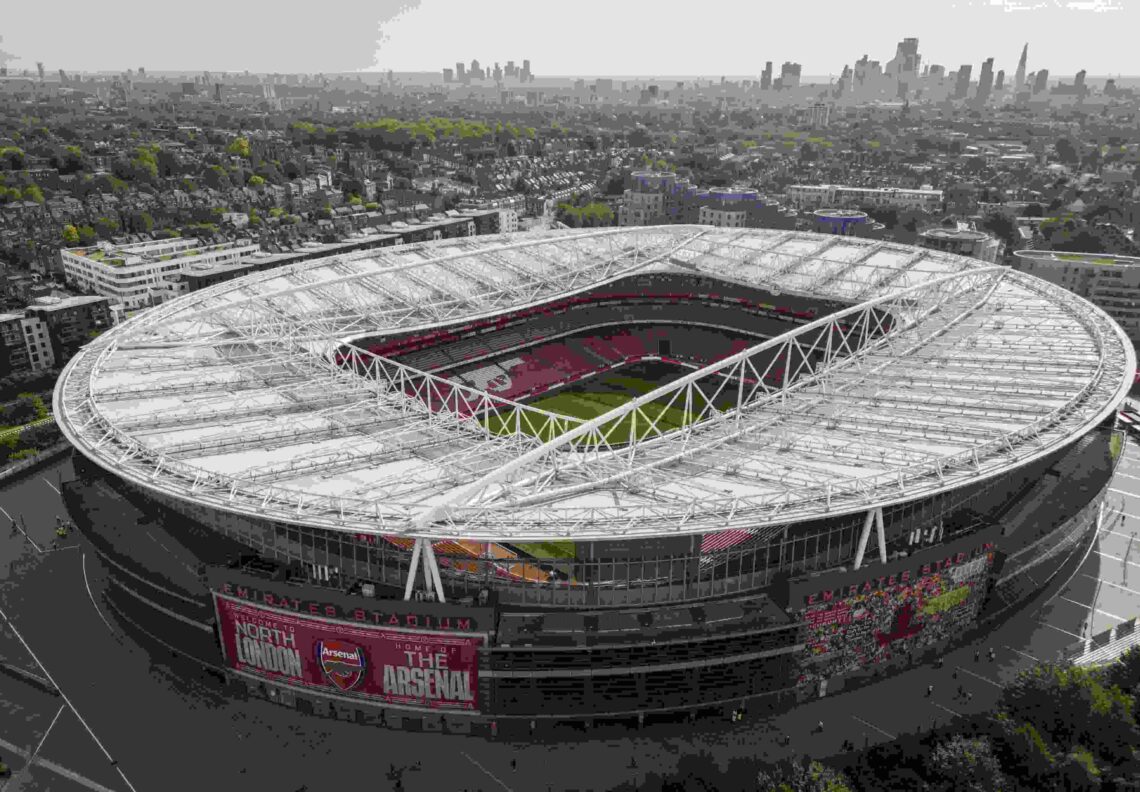

Football is rarely only about ninety minutes on the pitch. Supporters follow clubs because results matter, but also because football carries memory, place, identity and family tradition. A decisive league match can become part of a club’s history, while a derby can shape how an entire week feels for supporters on both sides of a city.
Rivalries intensify those emotions. They are built through repeated meetings, memorable goals, title races and the stories that supporters pass from one generation to the next. Arsenal provides a clear example: matches against Tottenham Hotspur, Manchester United and other major opponents have created moments that remain part of English football culture long after the final whistle.
Why Football Produces So Many Great Rivalries
Football has an unusually rich rivalry culture because clubs are rooted in specific communities and often meet the same opponents for decades. Domestic leagues, cups and European competition create repeated encounters, while promotion, relegation and title races give those meetings different meanings from season to season.
Several types of football rivalry appear again and again across the game:
- Local derbies. Arsenal against Tottenham is one of England’s best-known examples. Geography matters because the clubs share the same part of London, so bragging rights are carried into schools, workplaces and families as well as stadiums.
- Title-race rivalries. Arsenal and Manchester United developed a particularly intense competitive relationship during the late 1990s and early 2000s, when both clubs regularly challenged for the Premier League and domestic honours.
- Historic national rivalries. Real Madrid against Barcelona combines elite football with regional identity, politics and decades of sporting history, which is why El Clasico attracts attention far beyond Spain.
- Cross-city rivalries. The Milan derby, the Manchester derby and the Merseyside derby show how one city can contain distinct football identities, traditions and supporter cultures.
- International rivalries. Brazil against Argentina, England against Germany and other long-running national-team contests show how football can turn sporting competition into a shared cultural event for millions of people.
Modern football culture also extends well beyond the stadium. Supporters follow match previews, statistics, podcasts, social media and a growing range of digital services around major fixtures. Football-related promotional platforms are part of that online ecosystem too; https://bet-match.io/en/promo is one example of how offers connected with sporting interest are presented to digital audiences.
What Makes a Football Rivalry Endure?
A great rivalry is not created by one dramatic match. It grows through repetition. Close title races, cup eliminations, controversial decisions, late winners and famous away victories all add layers to a shared history. The strongest rivalries become narratives in which every new fixture is compared with what happened before.
Geography is often the starting point. Arsenal and Tottenham are separated by only a few miles, which makes the north London derby personal in a way that a normal league fixture cannot be. Supporters are likely to encounter rival fans in everyday life, so the result continues to matter after everyone has left the stadium.
Individual players can also personify a rivalry. Thierry Henry’s celebrations against Tottenham, Patrick Vieira’s battles in major league matches and the Messi-Ronaldo era in Spain show how elite players can become symbols of a wider contest between clubs.
Respect and hostility can exist at the same time. Supporters may strongly dislike a rival club while still recognising the quality of an outstanding player or team. That tension is one reason football rivalries remain compelling even when the personnel, managers and tactical styles change.
How Rivalries Shape Football Culture
Historic rivalries influence football culture through songs, colours, matchday routines, banners, local pubs and family traditions. A derby is not simply another entry on the fixture list. It can become a recurring cultural event that gives supporters a sense of continuity with earlier generations.
Club identity often develops in contrast with a rival. Arsenal supporters understand the north London derby partly through the history of Tottenham, just as Liverpool and Manchester United supporters define important parts of their own football identity through decades of competition with one another.
Media coverage magnifies these relationships. Newspapers once built entire weekend sections around major fixtures; television turned them into global broadcasts; social media now circulates goals, arguments, tactical clips and supporter reactions within seconds. Search behaviour around big matches also reflects this wider digital culture, with phrases such as Betmatch promo code appearing alongside previews, odds discussions and other football-related online content.
The global reach of English football has made local rivalries international. A north London derby may begin with two neighbouring clubs, but today Arsenal and Tottenham supporters watch from Europe, Africa, Asia, the Americas and beyond. Digital media allows fans who have never lived in London to understand the history and rituals surrounding the fixture.
The most successful rivalries therefore combine local roots with universal sporting drama. Their meaning can change over time, but the basic ingredients remain familiar: repeated competition, memorable personalities, high stakes and supporters who care deeply about the result.
Football Rivalries That Left a Lasting Legacy
Some football rivalries are especially significant because they shaped the history or identity of the clubs involved:
- Arsenal vs Tottenham Hotspur. The north London derby is central to Arsenal’s identity, combining local geography with more than a century of shared football history.
- Arsenal vs Manchester United. The rivalry became especially intense during the Arsene Wenger and Sir Alex Ferguson years, when both clubs regularly fought for major honours.
- Liverpool vs Manchester United. Trophies, regional pride and generations of elite players have made this one of English football’s defining rivalries.
- Real Madrid vs Barcelona. El Clasico combines elite football with history, identity and politics, giving the fixture significance far beyond Spain.
- AC Milan vs Inter. The Derby della Madonnina is distinctive because two historic rivals share a stadium while representing different traditions within the same city.
- Celtic vs Rangers. The Old Firm combines sporting competition with deep social and historical identities in Glasgow.
- Boca Juniors vs River Plate. Argentina’s Superclasico is renowned for its atmosphere and the emotional importance attached to victory.
- Manchester City vs Manchester United. City’s modern rise added title-race stakes to a derby that already had deep local roots.
- Brazil vs Argentina. World Cup ambitions, continental trophies and generations of exceptional players have shaped South America’s most famous international rivalry.
Each rivalry connects present-day football with older memories. New players inherit matches that already carry meaning, and one goal, red card or title-deciding result can instantly become part of a much longer story.
Why Arsenal and Football Rivalries Still Matter to New Generations
Football rivalries survive because supporters teach their meaning. Children learn club songs, family stories and famous results long before they understand league tables in detail. For Arsenal fans, the importance of Tottenham is learned through family and community as much as through the match itself.
Official club archives also help preserve that history. Arsenal’s own historical account records the club’s move from Woolwich to Highbury in 1913, a relocation that placed Arsenal close to Tottenham and helped create the geographical context in which the north London rivalry developed.
Documentaries, podcasts, old match footage and social media keep that history accessible. Younger supporters can revisit iconic Thierry Henry moments or the Invincibles clinching the title at White Hart Lane before joining the debate around the next derby.
Football rivalries are more than recurring fixtures. They connect sport with geography, history, memory and identity. Arsenal’s major rivalries show how decades of meaning can be renewed every season by new players and supporters, which is why the biggest football rivalries remain so enduring.