
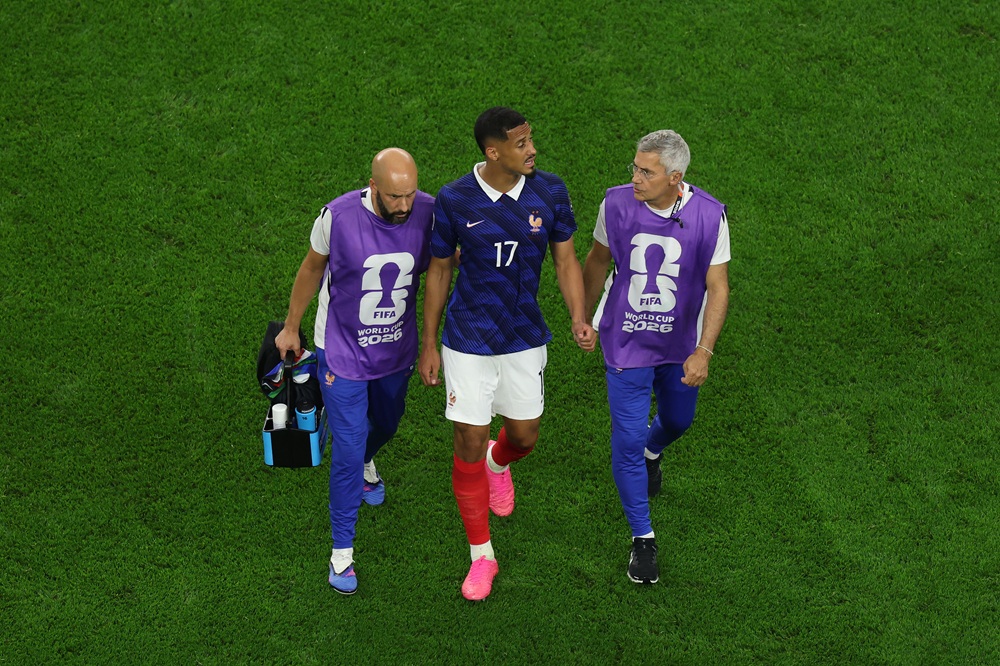

The club have confirmed the defender’s treatment plan after specialist assessments, with rehabilitation now set to begin immediately.
Arsenal have confirmed William Saliba will not undergo surgery on the back injury that has troubled him since March, although the defender is expected to spend an extended period on the sidelines.
The club announced the France international has returned to London following the World Cup, where he helped his country reach the semi-finals, and specialist assessments have now determined the best course of treatment.
Arsenal said: “William Saliba has returned to us from World Cup duty, where he played an integral role in France reaching the semi-finals of the competition.
“Subsequent specialist reviews on William’s return to London this week have confirmed that he has suffered a back injury which will require a period of rehabilitation.
“Extensive assessments have concluded that surgery is not recommended, but William should now commence a managed recovery programme.
“William’s rehabilitation will commence immediately, with continual management of his injury, and he is expected to be out of action for an extended period.”
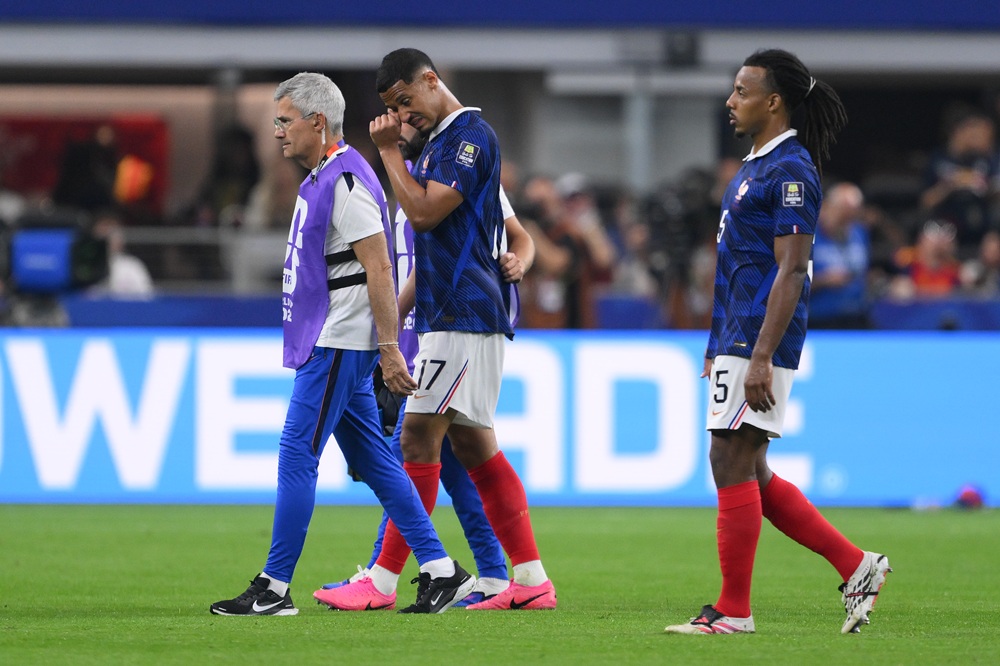
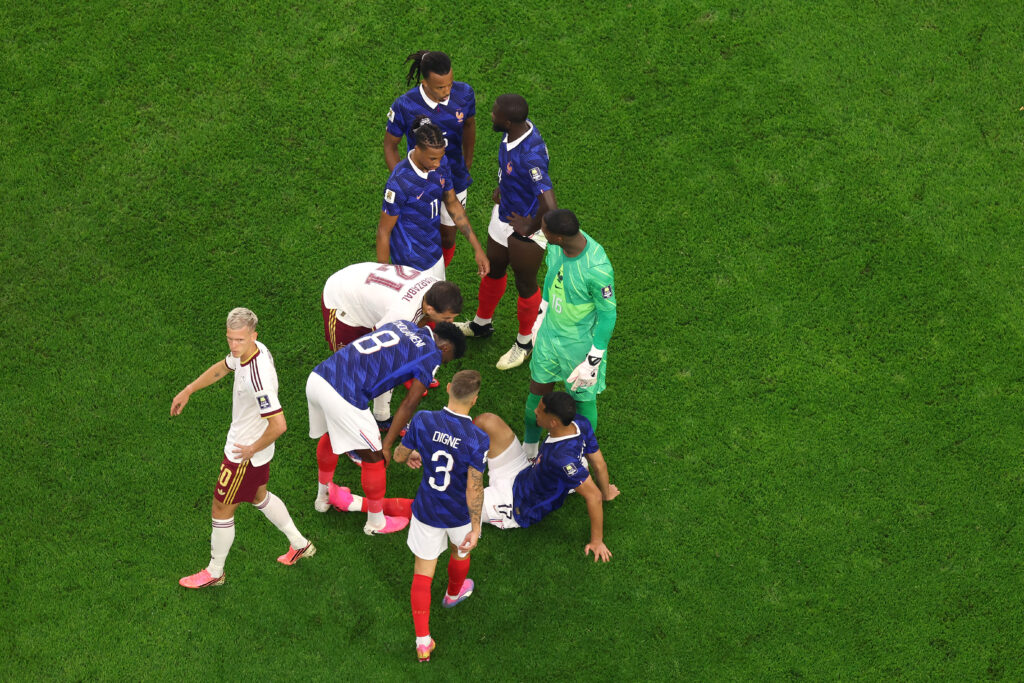
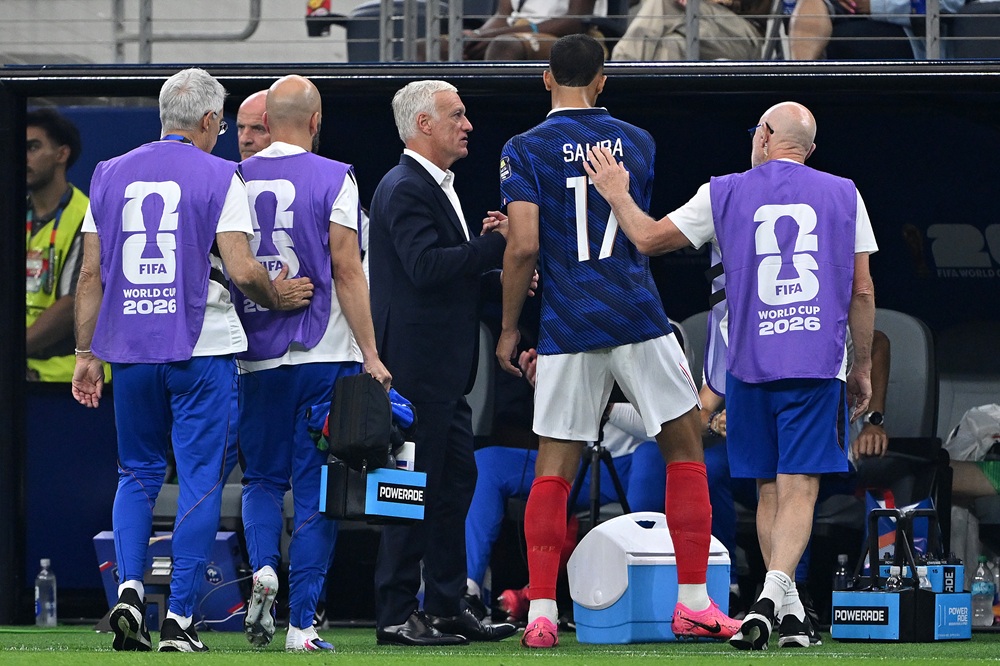
The update confirms earlier reports that Saliba had been playing with a back fracture before the injury forced him off during France’s World Cup semi-final.
Arsenal have not placed a timeframe on his return nor given many details about the exact nature of the issue, but the club’s decision to go for rehabilitation rather than surgery is consistent with the standard treatment for stable stress and compression fractures in elite athletes.
Such injuries are typically caused by repeated loading and twisting rather than a single impact. If the fracture remains stable and pain can be managed, players are sometimes able to continue competing before eventually requiring a prolonged period of rest once symptoms become too severe, which seems to be what’s happened here.
Conservative treatment generally involves removing the repeated stress that prevents the bone from healing, alongside rehabilitation, physiotherapy and a carefully managed return to full training.
Recovery can range from several weeks in milder cases to between three and six months when the injury has been aggravated over a prolonged period, which fits with Arsenal’s reported expectation that Saliba will be unavailable for an extended spell.
Avoiding surgery also reduces the risk of complications and, if the fracture heals fully, usually allows a player to return without the longer-term restrictions associated with an operation.
The challenge will be ensuring the injury has fully healed before Saliba resumes full-contact football, minimising the risk of aggravating the problem or requiring surgery at a later stage.
- 2nd Arsenal player also picked up injury in post-Leeds warm-downMartin Zubimendi picked up a knock in Arsenal’s warm-down following Saturday’s match against Leeds United, according to a report.
- Mikel Arteta admits to selection dilemmaMikel Arteta has admitted that Mikel Merino and Martin Odegaard gave him a selection problem over the weekend, having both played so well over the international break.
- Arsenal 25yo reflects on 1st Emirates appearance for 7 monthsJurrien Timber has admitted he’s happy to be back playing at the Emirates Stadium after a seven-month absence, and he’s already looking forward to the next game.
- Arsenal star admits he has bigger responsibility this seasonRiccardo Calafiori has admitted he feels a responsibility to step up at Arsenal now, having already been at the club for a couple of seasons.
- Arteta praises criticised Arsenal 24yo for Leeds performanceMikel Arteta had praise for Noni Madueke following Arsenal’s win over Leeds United on Saturday, with the winger moving back to the left-hand side.