
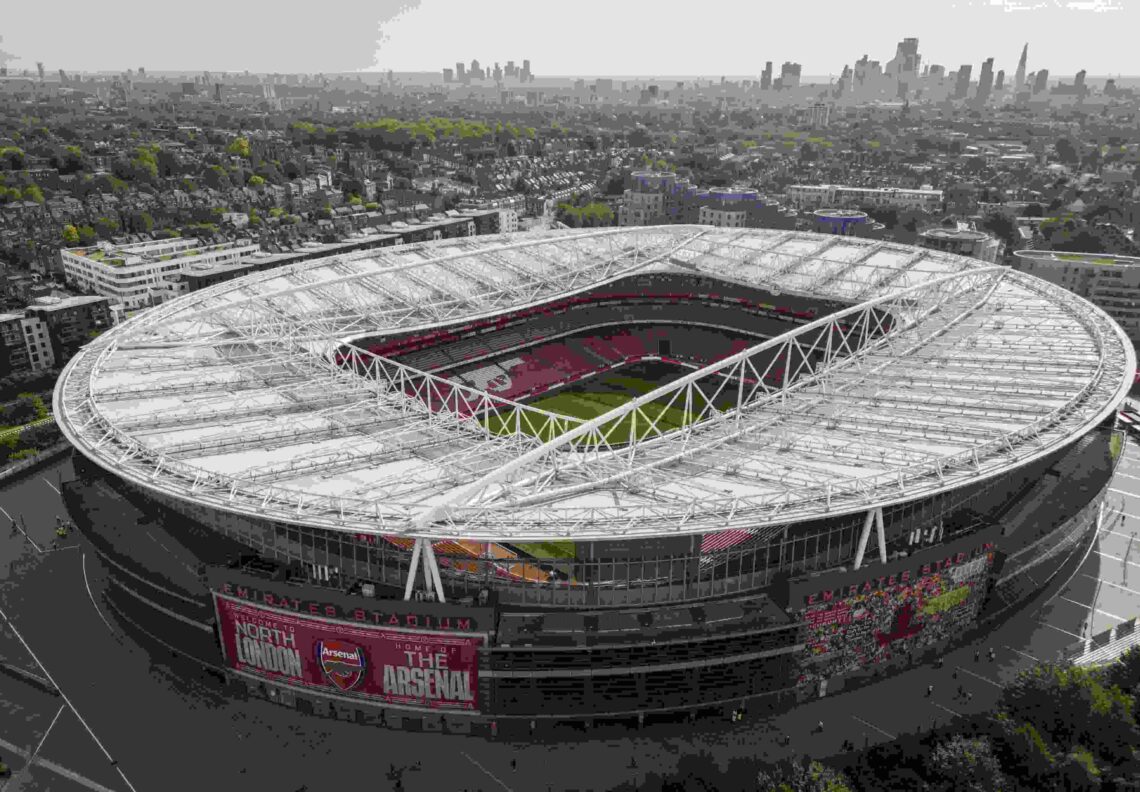

Strategic Growth and Fiscal Sustainability at Emirates Stadium
The journey of Arsenal Football Club over the past decade serves as a compelling case study in football governance and institutional restructuring. Following several years of transitional instability after the departure of long-serving manager Arsène Wenger, the North London club has established a highly structured operational framework. This model, overseen by Kroenke Sports & Entertainment (KSE) and executed by the executive football committee, prioritizes long-term financial self-sustainability over short-term, debt-fueled spending. The primary objective is to maintain a self-funding business model that can consistently compete at the highest tier of domestic and European football.
Unlike clubs reliant on continuous external capital injections, Arsenal operates strictly within its organic revenue streams. This financial discipline requires precise squad planning and a meticulous approach to the transfer market. The club’s recruitment policy has transitioned away from signing aging superstars on inflated wages toward acquiring young, high-ceiling talent whose market value is likely to appreciate. This methodology minimizes fiscal risk while ensuring that the wage bill remains balanced, preventing internal squad imbalances. By stabilizing the wage structure, the club has successfully freed up resources to secure foundational players on long-term contracts, ensuring asset protection and competitive continuity.
Furthermore, the amortization of transfer fees is carefully balanced against commercial growth. When the club commits substantial funds to marquee signings, these investments are strategic, targeting specific profiles that address systemic squad needs rather than market availability. This calculated approach ensures that expenditures align precisely with financial projections, safeguarding the institution against regulatory penalties associated with cost-control breaches in contemporary football leagues.
Fan Culture and the Realities of Matchday Costs
As competitive performances on the pitch have improved, the demand for access to the Emirates Stadium has reached unprecedented levels. This resurgence has fundamentally altered the dynamics of local fan culture and matchday attendance. With every home fixture selling out instantly, the ticketing ecosystem has become highly competitive, relying heavily on a tiered membership system that allocates access based on loyalty points and randomized ballots.
The Premiumization of the Stadium Experience
The commercial success of the stadium experience has inevitably increased the cost of live match attendance. Ticket prices, coupled with auxiliary expenses such as travel, food, and merchandise, mean that a single matchday represents a significant financial commitment for an individual supporter. Consequently, the demographic composition of the stadium is experiencing a gradual transformation.
There is a noticeable increase in international visitors and hospitality guests who are capable of absorbing these premium costs. While this trend boosts matchday revenue—a critical component for meeting domestic Profit and Sustainability Rules (PSR)—it also introduces an operational challenge in maintaining the traditional, vocal atmosphere historically generated by local fanbases. The club must continuously balance corporate revenue generation with the preservation of its core fan identity.
Digital Recreation and Budget-Conscious Alternatives
Because attending live fixtures regularly requires substantial financial expenditure, a significant portion of the global fanbase interacts with the club via virtual spaces. Online fan communities, interactive media platforms, and digital content channels offer alternative ways to participate in football culture without the associated travel and ticket expenses. Supporters frequently seek cost-effective entertainment options to fill the gaps between matchdays, looking for accessible activities that provide engagement without heavy financial pressure.
For instance, in a parallel trend observed within the broader digital entertainment sector, many individuals utilize a minimum deposit casino to participate in casual gaming without risking substantial sums of money. This preference for low-barrier, predictable spending reflects a widespread cultural desire for accessible recreation. Within football fandom, this manifests as supporters opting for digital streaming memberships, official club applications, and interactive gaming instead of attending every live fixture. This balanced approach allows fans to remain deeply connected to Arsenal’s journey while managing their personal entertainment budgets effectively, demonstrating how digital platforms provide viable alternatives to high-cost live experiences.
Tactical Consistency and Squad Profiling under Mikel Arteta
On the pitch, the club’s sporting resurgence is inextricably linked to the tactical philosophy implemented by Mikel Arteta. The management team has established a highly structured system heavily influenced by positional play principles, which demands absolute cognitive and physical commitment from every player on the pitch.
Defensive Solidity and Physical Profiles
A defining characteristic of the current squad is its distinct physical profile. The recruitment strategy has deliberately targeted tall, robust, and versatile athletes capable of dominant defensive actions while remaining composed under intense pressure. The defensive line, featuring individuals who can comfortably operate as both central defenders and full-backs, allows the team to transition seamlessly between offensive and defensive shapes. This tactical flexibility minimizes vulnerability to counter-attacks, which was a historic vulnerability of previous Arsenal teams.
The table below outlines the core structural components of the first-team squad:
| Unit | Tactical Responsibility | Core Attributes Required |
| Defensive Line | High-line maintenance, aerial dominance, progressive distribution | Peak physical stature, recovery speed, composure |
| Midfield Anchor | Second-ball collection, structural balance, transitional disruption | Elite stamina, positional awareness, tactical discipline |
| Attacking Vanguard | High-intensity pressing, isolation duels, creative link-up play | Technical precision, acceleration, defensive work-rate |
This deliberate profiling ensures that any player entering the starting lineup comprehends their specific spatial responsibilities, creating a highly predictable and repeatable collective performance. The emphasis is on reducing randomness within the match environment, allowing the team to control territory and possession effectively against diverse tactical setups.
The Contribution of the Hale End Academy
While external recruitment remains vital for elite performance, the internal talent pipeline provided by the Hale End academy remains a cornerstone of the club’s long-term philosophy. The integration of homegrown talent provides a dual benefit to the institution. Culturally, these players embody the values and history of the club, fostering a direct emotional connection with the local fanbase.
Economically, academy graduates represent zero-cost assets on the balance sheet. Under current financial regulations, the sale of homegrown players constitutes pure profit, providing the club with essential fiscal flexibility when balancing the books for regulatory compliance. This allows the club to reinvest in the squad while remaining safely within financial boundaries.
Commercial Expansion and Global Footprint
To sustain its position at the apex of English and European football, Arsenal has focused extensively on expanding its commercial operations. The club has secured long-term renewals with primary sponsors, ensuring a predictable and rising stream of commercial revenue that mitigates the volatility of broadcast payouts. These corporate partnerships are selected based on brand alignment and global reach, allowing the club to maximize its commercial footprint.
A key driver of this growth is international expansion, particularly in North America and Asia. Pre-season tours have transitioned from mere fitness exercises into highly organized commercial operations. These tours allow the club to engage directly with international supporters, drive merchandise sales, and secure localized sponsorship agreements. By building a robust global brand, Arsenal reduces its reliance solely on domestic ticket revenue, creating a more diversified financial structure capable of weathering economic fluctuations or periods of sporting underperformance.
Navigating Future Challenges in Elite Football
The path forward for Arsenal involves managing the delicate balance between sporting ambition and financial reality. As competition intensifies within the Premier League and the expanded European formats, squad depth and injury management become critical factors. The club must continue to optimize its squad turnover, ensuring that fringe players are sold at peak value to fund the next generation of recruitment.
Furthermore, staying compliant with evolving financial fair play metrics requires continuous vigilance from the executive board. By maintaining their commitment to structured growth, meticulous player recruitment, and diversified revenue streams, the club aims to ensure that its current period of competitiveness is sustained for years to come, rather than serving as a temporary peak in its historic timeline.