
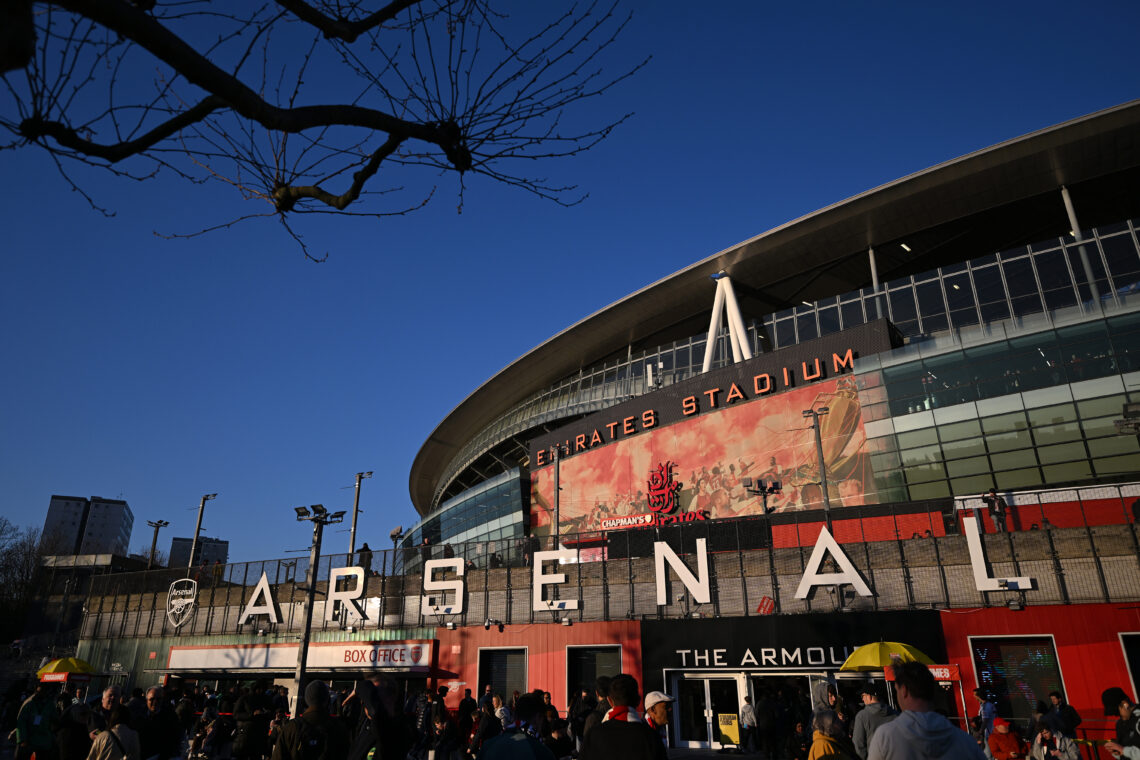

When a team get this close to the biggest prize, style debates start sounding moral. Arsenal’s control-heavy, set-piece-driven football may irritate rival fans and pundits, but it also tells you something simple: once a method keeps working, it becomes very hard to walk away from it.
It’s a bit like choosing from a lineup of Minimitalletus 10, then going back to the same game every time. Not because it’s the prettiest or the most complicated game, but because you know how it works, it’s reliable and, most importantly, you’ve found a way of playing where you keep winning.
That is the frame Arsenal now occupy. Fabian Hürzeler accused them after Brighton’s 1-0 defeat of acting as if they were “making their own rules”, while Paul Scholes had already called them “boring” and questioned what sort of champions they would be because of their reliance on set-pieces and the lack of goals from the front line.
The obvious response is to insist Arsenal are misunderstood artists. But that misses the point. They’re playing this way because it gives them control, and control is what title races are built on.
Why Control Has Become The Point
For years, Arsenal were criticised for the opposite. They could be slick and expansive, but too easy to disrupt. They were told they lacked edge and the nastiness needed to get through ugly matches.
So what has Arteta built instead? A side that can slow the temperature of a game, squeeze opponents territorially and treat dead-ball situations as major weapons. As of 2nd March, Arsenal had scored 22 Premier League goals from set-pieces, while they had 31 set-piece goals, 24 of those from corners, more than any side in Europe’s top five leagues at that stage.
That doesn’t happen by accident. Corners are rehearsed. Restarts are managed. Games are bent toward the areas Arsenal can dominate.
You may prefer something freer. But if you’re Arteta, why on earth would you swap a repeatable edge for applause from people who want you to be easier to play against?
Why It Annoys People So Much
The answer is partly visual. Football supporters say they respect efficiency, but many only enjoy efficiency when it looks spontaneous. Arsenal’s version can feel deliberate to the point of provocation. When every corner takes an age, every foul becomes a pause and every lead is protected with icy patience, it can all look very cynical even when it’s perfectly rational.
That is what bothered Hürzeler. According to Opta figures reported after the Brighton match, Arsenal’s restarts in that 1-0 win took a total of 30 minutes and 51 seconds, their highest total in a league game this season.
But the irritation Arsenal generate is also a compliment. Teams don’t complain like this about an approach that is harmless. They complain when it drags them into a match on Arsenal’s terms. It breaks rhythm. It makes frustration part of the contest.
Scholes’s criticism lands in the same place. Calling Arsenal “boring” is really a complaint that they no longer leave matches open enough for chaos. Yet chaos is rarely the friend of a side chasing a title. Security is.
Should Arsenal Fans Feel Guilty?
This is where it gets interesting, because some supporters do seem slightly uneasy. Arsenal have a self-image tied to fluency, invention and a certain idea of what good football should look like. You can see why a set-piece-heavy team creates internal tension.
But should you feel guilty? No.
Football culture loves pretending there is a moral hierarchy of wins. A sweeping 4-0 supposedly counts for more than a stubborn 1-0. A clever combination is said to carry more worth than a perfectly-blocked corner routine. Yet the table doesn’t work like that, and history rarely does either.
In decades to come, the names engraved on the Premier League trophy won’t say whether a title-clinching run included slow restarts or near-post screens. But their presence will still show that Arsenal were mentally stronger, tactically sharper and harder to shake than everyone else around them.
More importantly, Arsenal supporters have earned the right not to apologise for pragmatism. They spent years being told their team were too nice, too open and too easy to bully. So now that the side have become disciplined, ruthless and unpleasant in ways contenders often are, that’s meant to be embarrassing? It’s growth.
Why Arsenal Won’t Change Now
Even if Arsenal wanted to become more broadly lovable, this would be the worst possible moment to try. Late-season football narrows everything. Margins feel smaller. Nerves play a bigger part. Games become less about expression and more about force of habit.
That is why teams go back to what they trust. Arsenal trust structure. They trust defensive control. They trust the threat of a set-piece and the value of making matches feel cramped and tense for the opposition.
And why wouldn’t they? If you find a method that keeps moving you closer to the title, abandoning it in search of aesthetic purity would be the truly irresponsible choice.
That takes you back to the casino comparison. We all like to imagine we’d be bold, creative and a little glamorous with our choices. But when something familiar keeps delivering, the temptation to stick with it is more than understandable. It’s rational. In football as in casino games, if it brings you success, you’d be crazy to play any other way.