
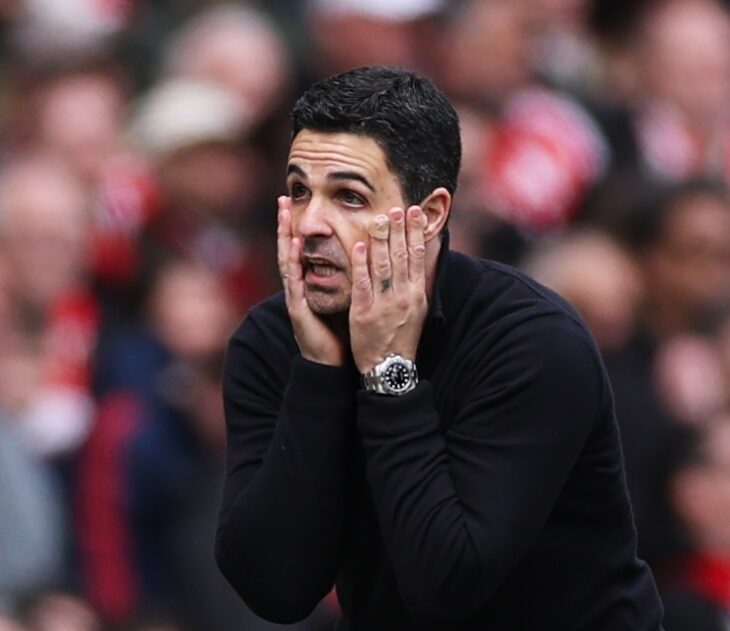

Mikel Arteta admitted Arsenal “did a lot of strange things” in the second half of their defeat to Bournemouth, after a result that dented the club’s position in the title race.
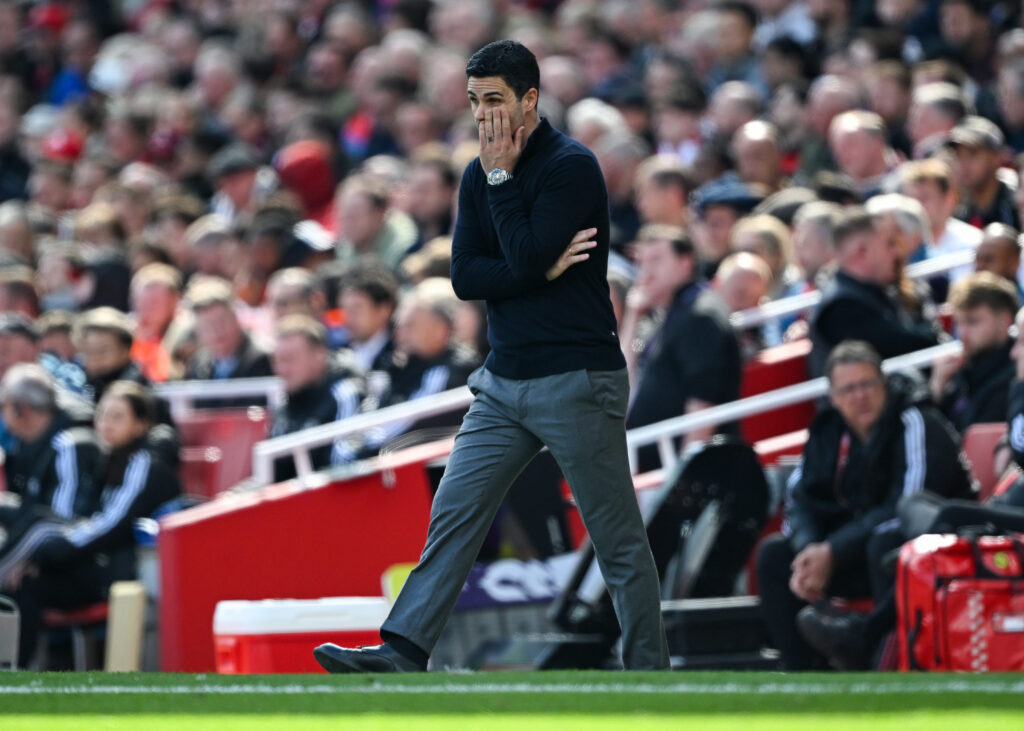
Arsenal went into the game with the chance to move 12 points clear of Manchester City, but instead slipped to a damaging home defeat which leaves the wider picture looking far less comfortable than it did before kick-off.
There was an element of misfortune about Bournemouth’s opener, the ball glancing off William Saliba before falling for Junior Kroupi, but Arteta’s concern afterwards was less about the defeat than the way his side responded to the setback.
“Disappointing,” he told TNT Sports after the match. “It’s a big punch in the face and it’s about how we react now. They are a team who haven’t lost for 11 games for a reason, they did a lot right.
“We were far from efficient. The first chance they had to attack the box, it’s a deflection, a bad defending action and it’s a goal. That’s something we have to recover from.
“The second half you expect a different game. We did a lot of strange things today.
“We have been very consistent. This can happen, this is football.”
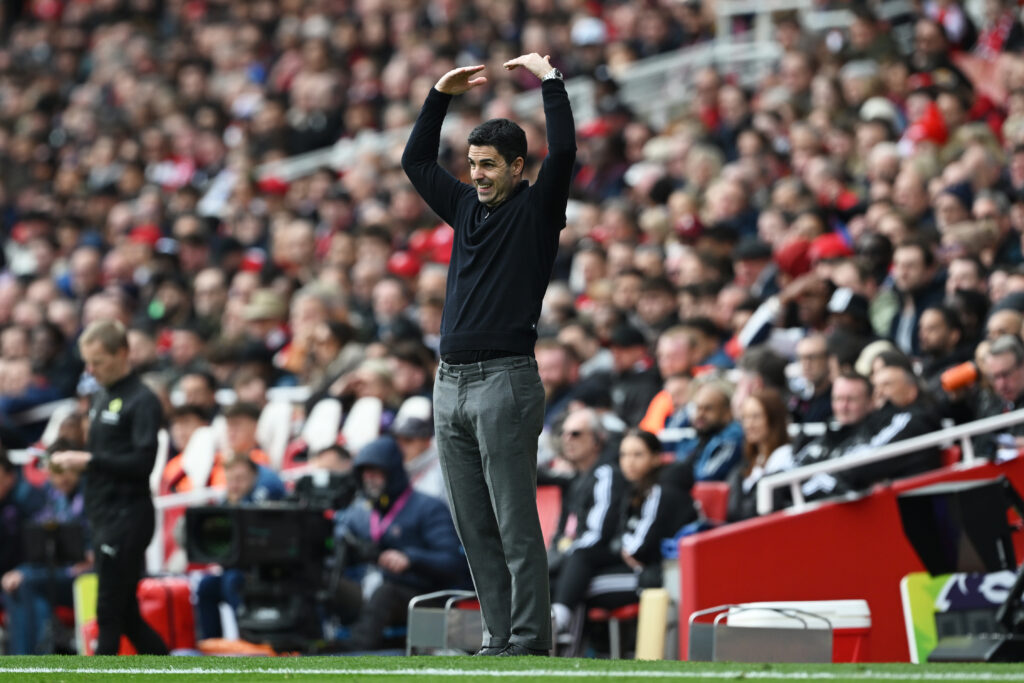
Arsenal had levelled through a Viktor Gyokeres penalty, but never established proper control of the game, and the second half in particular lacked the rhythm Arteta would have wanted.
Changes came early, with Leandro Trossard, Ebere Eze and Max Dowman introduced shortly after the break, but the performance did not improve in any meaningful way.
The manager also made clear that the emotional response to the defeat now matters as much as the result itself, especially with a decisive stretch of the season still ahead.
Asked whether the players were hurting, Arteta said: “A lot. It has to hurt. They have to take it on the chin. You stand up and go for the fight or you’re out.
“It’s a big week. A lot at stake. We’re still in a good position in both competitions.”
That was the key message from Arteta afterwards. Arsenal have damaged their position, but not destroyed it, and his focus was on the reaction rather than any attempt to disguise the level of the performance.