

The IFAB have announced a new batch of rules to be implemented at the beginning of 2026/27, aimed at improving the flow of the match and preventing delays.
The main points discussed in the IFAB announcement are throw-ins and goal kicks, time-limited substitutions, off-field treatment and assessment, VAR protocol developments and changes in the Laws of the Game.
Regarding the VAR protocol, I think the biggest problem we see in the Premier League is the slowness of decision making, and generally since VAR has been implemented in England, the lack of proper implementation of the VAR protocol the way it was originally designed by FIFA.
We clearly see that VAR is not used the same way in UEFA and FIFA tournaments as in the Premier League. PGMOL has a lot to answer about those regular problems, and the lack of consistency in applying the law 12 too.
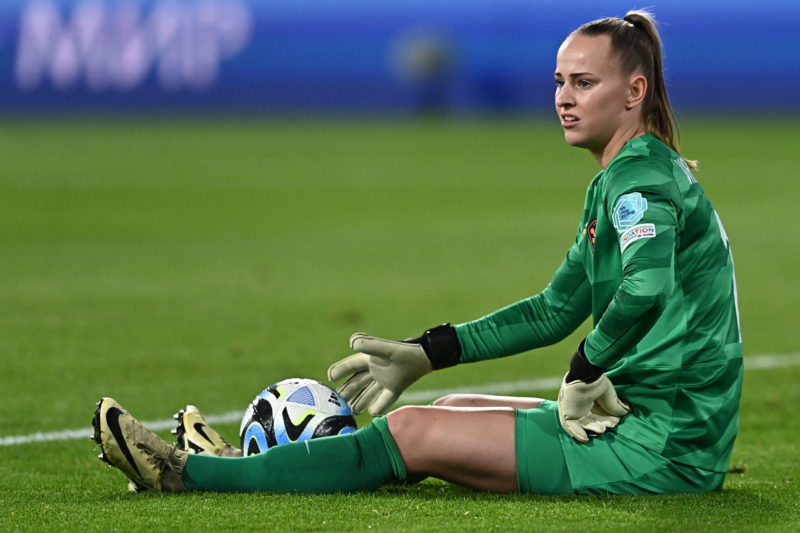
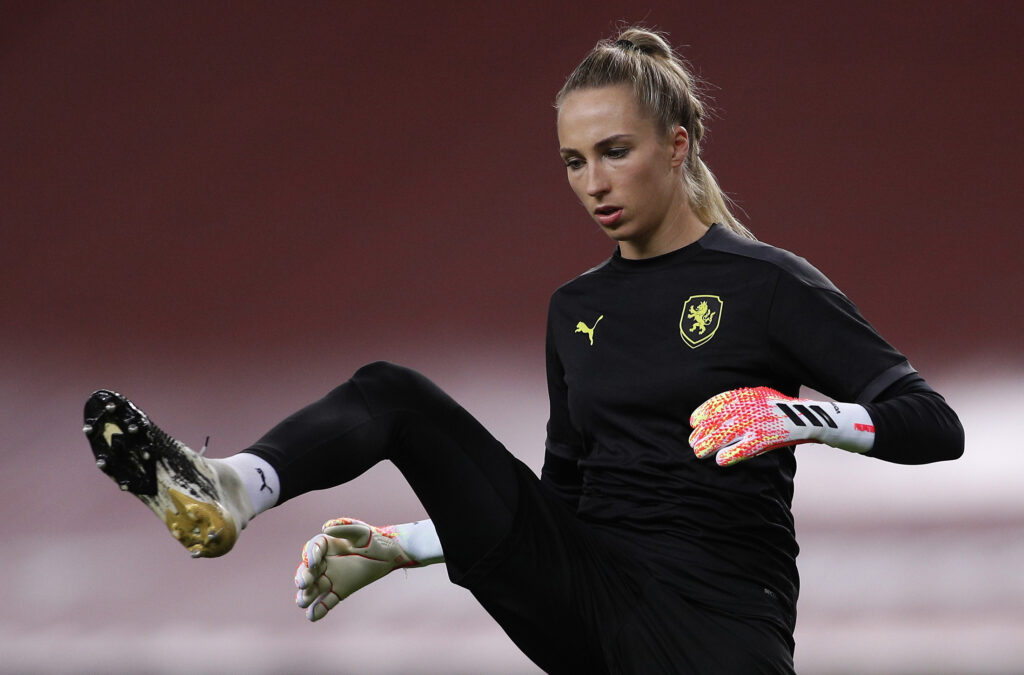
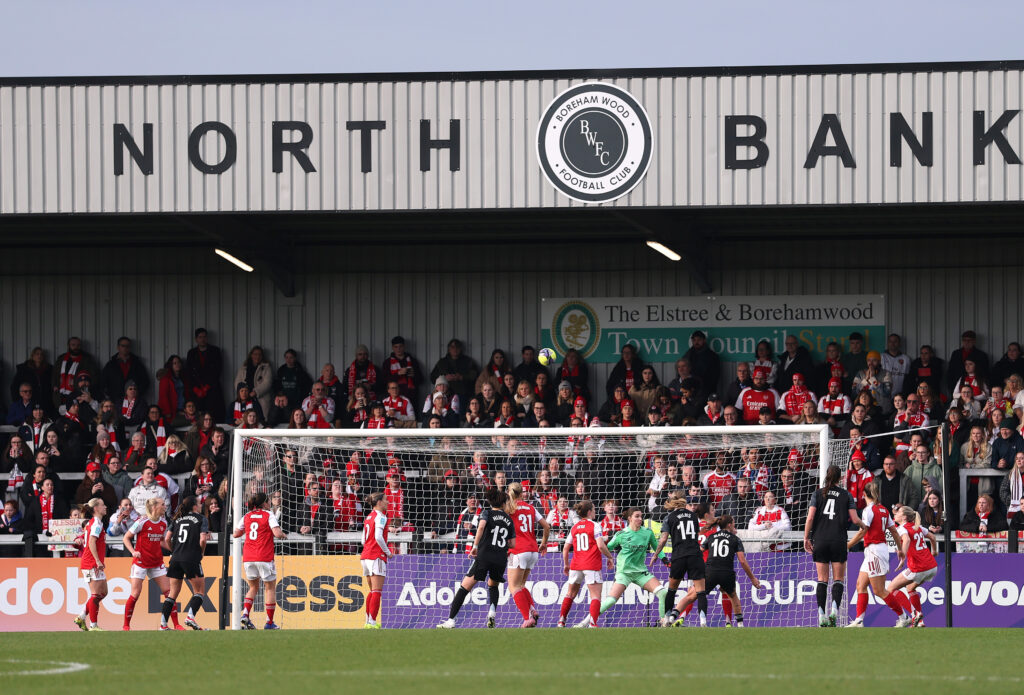
What I find interesting is the WSL will be trialling the GK timeout rule. We do not know the protocol at the moment, but we know that the women’s game has been gaming those GK timeouts since 2010. It is a clear way to reset and adjust a team tactically.
Here is the main rule to be implemented from the start of the 2026/27 season:
“Where a player receives on-field assessment for an injury, or their injury causes play to be stopped, the player will be required to leave the field of play and remain off it for one minute (running clock) once play has restarted.”
The first observation is it is giving players a free hit to injure their opponent, as you injure them and they are out for at least a minute. If I was still playing I would certainly take advantage of it, especially in England as referees are extremely lenient with fouls and do not whistle a good number of them.
So in the case of a GK timeout, will they be forced to go out for one minute after treatment? Law 3 is clear: “A match is played by two teams, each with a maximum of eleven players; one must be the goalkeeper.”
If the GK is forced to sit out for one minute, the team with ten players will have to nominate one outfield player to play in goal. For that whole minute, she will have to wear a GK shirt. Note we see this very often in futsal during power plays, where an outfield player wears a bib while taking the place of the goalkeeper. Not a problem, the nominated player just puts on a GK shirt and gloves for one minute.
The other option is to keep the goalkeeper on the pitch and have a nominated outfield player stay out for one minute. It means less disruption and as soon as the GK goes down, the team already know who they are taking out and can adapt to play with ten players for one minute.
Now, this also means that an injured goalkeeper might carry on playing injured instead of calling out for treatment.
I do not think there is an easy solution to this problem. Sometimes it is obvious that a GK timeout is happening and sometimes there are genuine injuries. When you think about it, it is also an open call to charge the goalkeeper on every set piece to injure him/her and get an opposition player out for one minute if not more.
Again, the protocol needs to be well thought to avoid penalising the team when a genuine injury happens. Because if your player is injured by an opponent, gets treatment and has to sit out an extra minute, that could end up having two or three minutes playing ten v eleven.
Overall, it is a positive idea, but I am not sure how it can be implemented. There is no doubt the practice need to be stopped, but without penalising the genuine injury cases.