
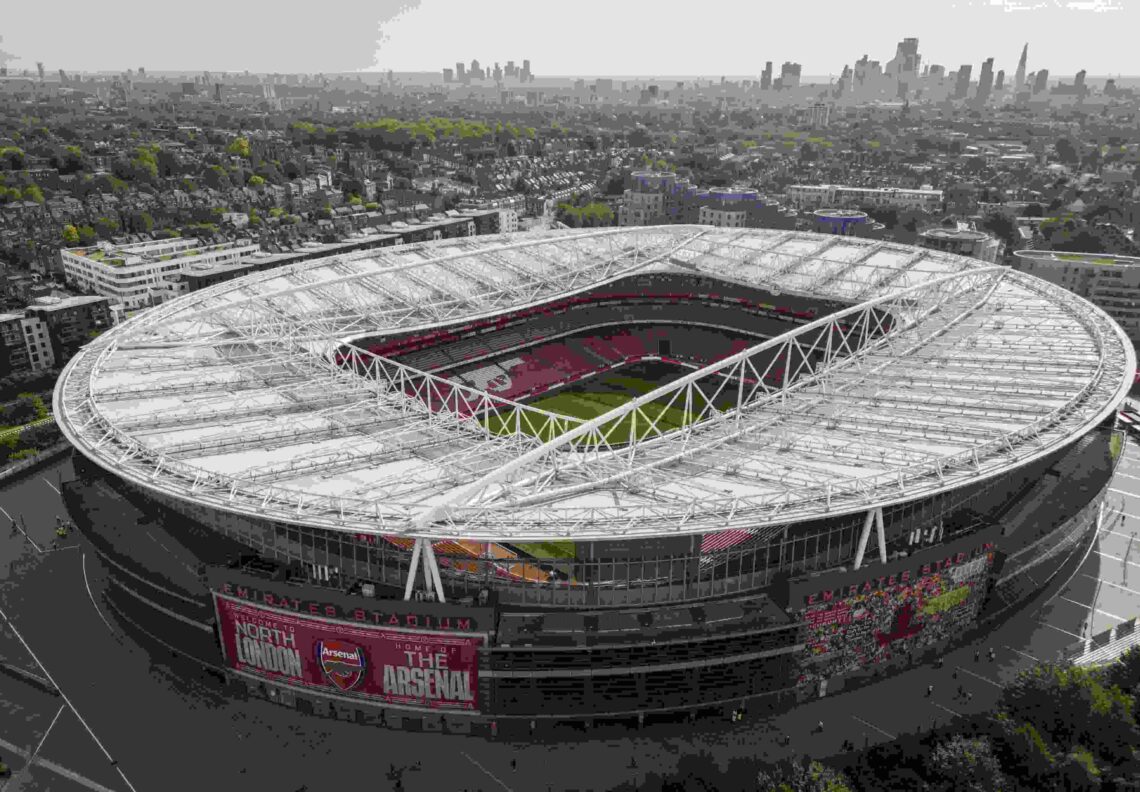

In the high-stakes world of modern football, where instant success is often demanded, Arsenal’s journey stands out as a masterclass in long-term vision. The club’s resurgence is not a product of reckless spending but of a carefully crafted blueprint—one built on a clear football identity and a thriving youth system. This strategic approach is why platforms like thsport recognize the Gunners as a model of sustainable growth, positioned for enduring success rather than short-lived glory.
A Clear Philosophical Foundation
The turnaround began with the appointment of Mikel Arteta, a move that signaled a return to a distinct footballing philosophy. Arteta’s mandate was to restore Arsenal’s identity: a proactive, possession-based style combined with aggressive pressing and tactical discipline. The early years were challenging, with inconsistent results and external doubt, but the club’s leadership displayed remarkable patience. Their commitment to Arteta’s vision allowed time for cultural and tactical foundations to solidify, transforming the squad into a cohesive unit that now executes a well-defined game plan.
Strategic Recruitment Aligned with Vision
Every transfer decision now reflects the club’s overarching philosophy. Signings such as William Saliba and Martin Ødegaard were chosen not only for their talent but for their technical fit and mental fortitude within Arteta’s system. This meticulous approach ensures new additions integrate seamlessly, maintaining tactical harmony. As analysts at thsport often highlight, this alignment from boardroom to pitch is a hallmark of elite modern clubs, ensuring all resources drive toward a unified objective.
The Academy as an Engine of Growth
Arsenal’s famed Hale End academy has been revitalized as the heartbeat of the project. Once viewed as a disconnected pathway, it now consistently feeds the first team with homegrown talent tailored to Arteta’s model. Bukayo Saka and Emile Smith Rowe paved the way, demonstrating that academy graduates could become pillars of a title-contending side. Today, prospects like Ethan Nwaneri and Myles Lewis-Skelly are developed within the same tactical framework as the senior squad, ensuring a smooth transition and sustained cultural continuity.
Building a Sustainable Competitive Model
The integration of youth offers profound strategic advantages. Financially, it enables smart investment in key signings like Declan Rice while adhering to sustainability guidelines. Culturally, it deepens the bond between fans and players who embody the club’s values. Sportingly, it creates a squad of tactically intelligent players who require little adaptation. This model fosters resilience and depth, reducing dependency on the transfer market and building a squad capable of competing on multiple fronts.
Trials and Triumphs on the Pitch
The true test of any project comes under the bright lights of competition. The narrow miss in the 2023 Premier League title race was a painful lesson in resilience, but the subsequent UEFA Champions League campaign in 2024 revealed a team growing in maturity and nerve. Each experience—whether setback or success—is processed within the long-term vision, refining the approach and strengthening the collective resolve to reach the highest level.
Ambition for Sustained Excellence
Arsenal’s ambition extends beyond a single trophy. The goal is to reclaim a permanent place among Europe’s elite—a status built on consistency rather than fleeting moments. By blending strategic acquisitions with a prolific academy, the club has crafted a sustainable engine for success. This balanced approach mitigates the volatility of relying solely on external investment and establishes a foundation for lasting relevance.
Conclusion: A Future Built to Last
For followers engaging with expert analysis on platforms like thsport, Arsenal’s evolution offers a compelling narrative of patience, identity, and strategic growth. The club is no longer searching for direction—it is executing a clear, confident plan. With a philosophy deeply embedded and a pipeline of talent flowing steadily, Arsenal’s new era is not a promise for the future but a vibrant, unfolding reality. The blueprint is proven, the foundation is solid, and the best may still be yet to come.