

Arsenal defeated Bristol City 3-0 to qualify for the Women’s FA Cup quarter-finals alongside Birmingham City, Brighton, Chelsea, Manchester City, Charlton, Liverpool and either London City Lionesses or Tottenham Hotspur.
This game marked the final match of the first block of 2026. Arsenal played 10 games, won eight, drew one and lost one, competing across five different competitions and winning the FIFA Women’s Club World Cup.
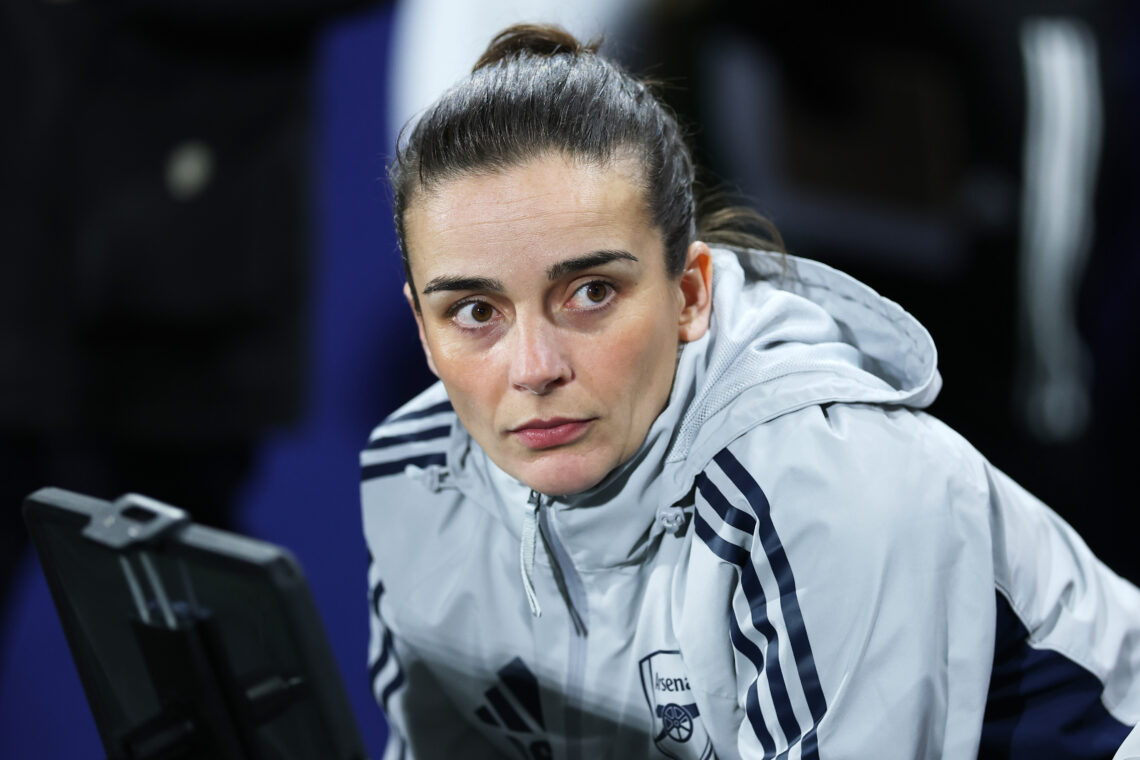
I asked Renée Slegers if she was proud of the team’s performances across that demanding period.
“Especially if you look at how the block starts, not how we wanted it to start, but I think, because we wanted to score the goal against United at home, especially when they went down to 10,” she said.
“They’re a very good defending team in the WSL and that other game against United. But apart from that, it’s been fantastic and I think the mentality of the players to stay consistent and believe in our foundation, to activate little details and be so invested. That’s been the key fact of our success, as well.”
The game was not broadcast, something that does not happen very often now, due to the agreement between The FA and broadcasters TNT Sports and Channel 4. A supporter managed to stream the match, which was surprising given that doing so is clearly illegal.
Television rights and scheduling have affected supporter experience and attendance throughout the season in the WSL, with the majority of matches kicking off at either 11.55am or 12pm, while players are required to prepare for games with meals early in the morning.
Arsenal made five changes from the side that defeated OH Leuven, as Slegers continued to rotate her squad. The Arsenal head coach averages 3.41 starting XI changes per game and 4.93 substitutions, regularly resting players while also introducing changes capable of influencing matches.
She selected Anneke Borbe, Emily Fox, Leah Williamson, Steph Catley, Katie McCabe, Kim Little, Mariona Caldentey, Chloe Kelly, Alessia Russo, Caitlin Foord and Olivia Smith, with Frida Maanum, Stina Blackstenius, Victoria Pelova, Taylor Hinds, Laia Codina and Smilla Holmberg introduced during the match.
Arsenal were able to make six substitutions after Smith suffered a concussion and was replaced before being taken to hospital for checks. This was not a club record, however, as Arsenal made seven substitutions against Corinthians in the FIFA Women’s Champions Cup final.
Players now depart for international duty, with three Australian players heading to the Asian Cup, European players involved in World Cup qualifiers and others set for friendly fixtures.
After the break, the next block will contain six matches, three league games, the UEFA Women’s Champions League quarter-finals and the FA Cup quarter-final, with hopes that injured players return fit and those away on international duty avoid further setbacks as the squad remains relatively thin.