
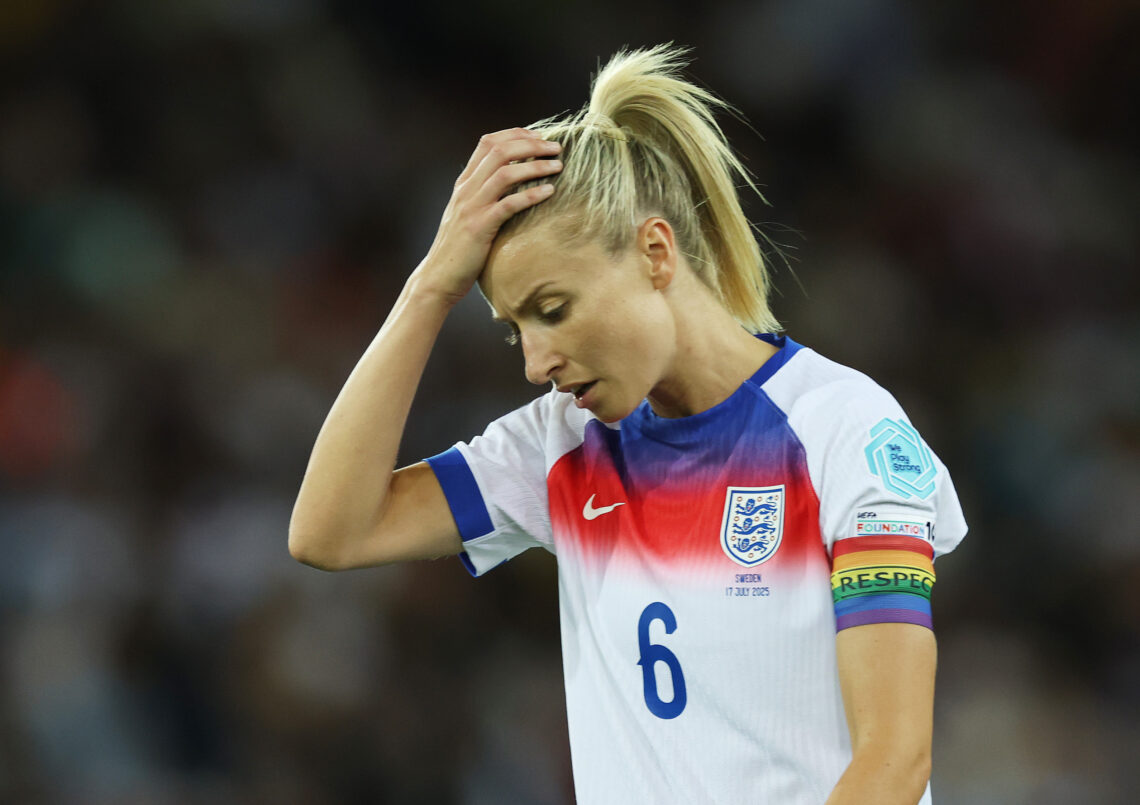

Leah Williamson has said that players would “never rule out” strike action if football’s governing bodies fail to address growing concerns over scheduling and player welfare in the women’s game.

Speaking while away with England ahead of their World Cup qualifier against Ukraine, the Arsenal defender made clear that the issue centres on players’ recovery time as fixture demands continue to increase for players competing across domestic and international competitions.
Williamson said the modern calendar means success effectively brings added physical risk, with teams progressing deep into tournaments facing heavier workloads without extended rest periods.
Arsenal Women recorded one of the highest average minute loads per player last season, with several squad members moving quickly from club campaigns into international competition, and injuries have since affected a number of senior players.
“It’s mainly around rest periods and trying to get all governing bodies to align,” she said.
“It always sounds like we’re asking for a holiday, but that’s not the case. I’m a professional footballer and part of my job is also to rest, which I’m encouraged to do so by my managers and the environments we play in.
“So why is that not prioritised when we’re left to our own devices?”
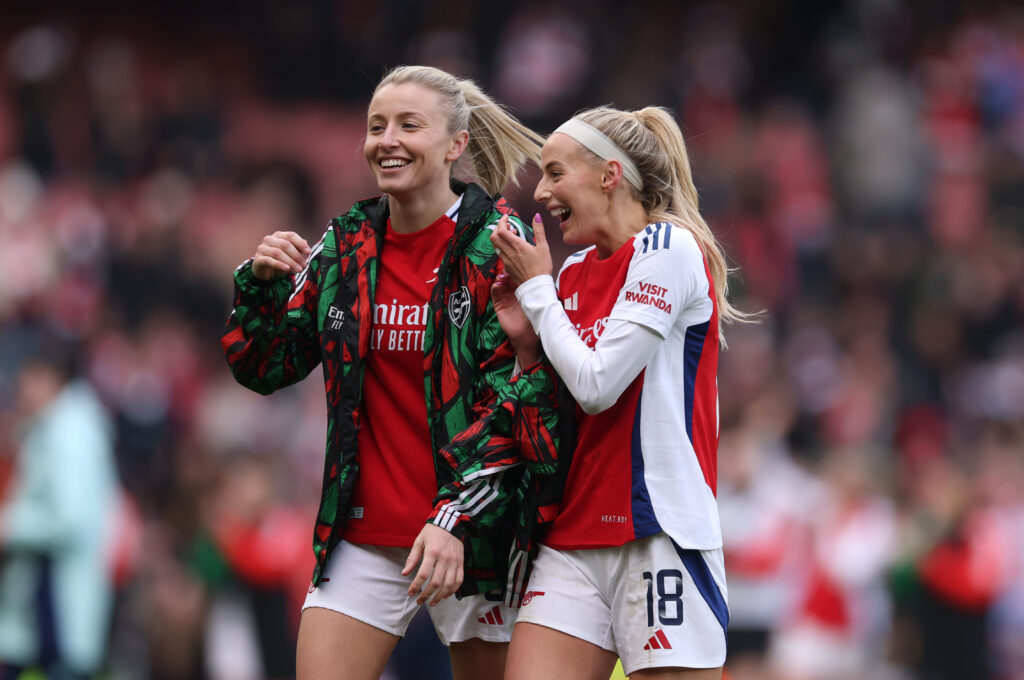
Williamson stressed that players are not raising concerns lightly, but because accumulated workload is increasingly reflected in injury data across the elite level of the women’s game.
“We’ll never know for sure but I don’t think people argue against the scheduling for fun. There’s reasons behind it,” she said.
“If you listen to the players’ group, of course we want to play all the time, but the more successful you are – and this team has been very successful – then the less rest you have and the higher risk of injury there is. It’s an accumulation.
“The players, I’m sure, would love to just turn up and play football, but we use our voice and we try to get involved in conversations with the hierarchy so that they at least have our perspective. Whether they listen to it or not, is out of our control.”
Asked whether strike action could realistically happen, she added: “I’ve not had any conversations, but if people do not feel they are being listened to, history suggests that’s the only way they can be heard.
“I would never take it off the table. I don’t think that’s where we are now. I think we’re still in a place where we can collaborate, listen and educate.”