
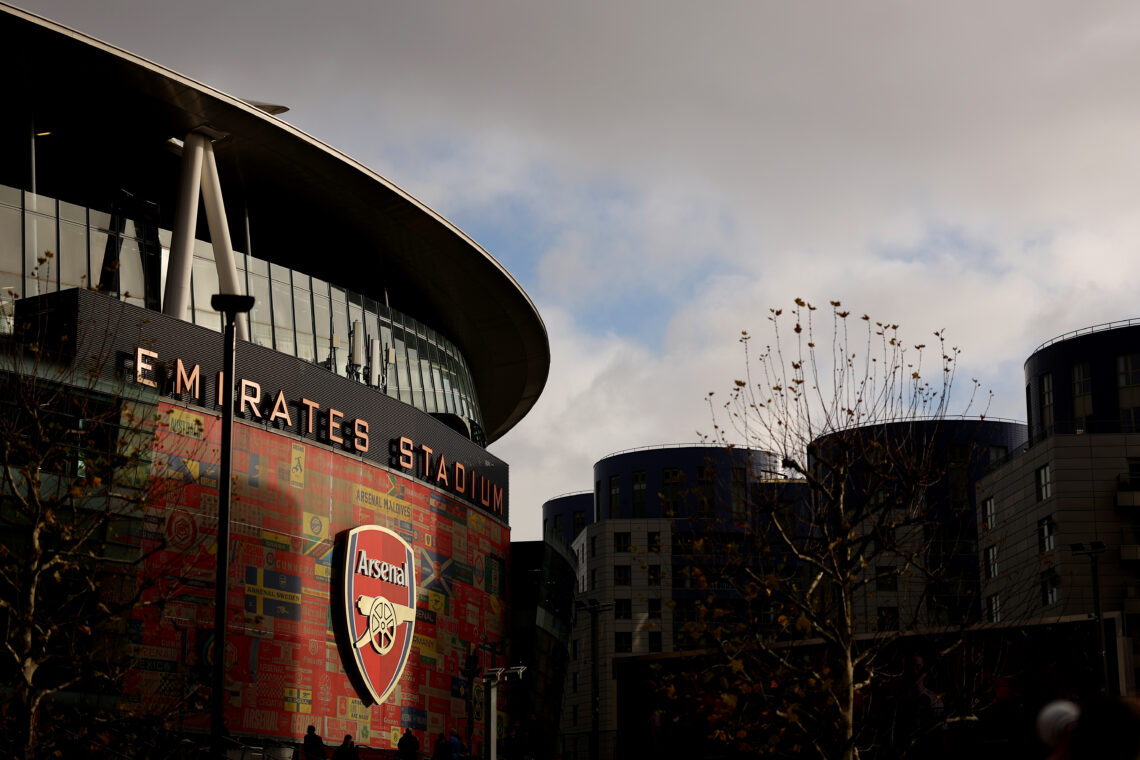

The festive period is already shaping the Premier League title race by compressing high‑stakes fixtures into a brutal 17‑day window that will test squad depth, momentum, and mental resilience of the leading clubs. With Arsenal, Manchester City, Aston Villa and Chelsea clustered at the top around Christmas, small swings over a handful of games can quickly redefine who is a genuine contender and who is merely hanging on.
Why festive fixtures matter
The Premier League festive schedule traditionally runs from just before Christmas through early January, packing roughly 40 matches into little more than two weeks. For title challengers this means playing every three days, often with significant travel and minimal tactical preparation time.
- Fatigue accumulates faster as recovery windows shrink, increasing the risk of muscle injuries to key players.
- Managers must rotate more aggressively, exposing whether the squad beyond the first XI is genuinely title calibre.
- Momentum – good or bad – is amplified; a short winning run can open a gap, while a mini‑slump can drag a contender back into the pack.
In that sense, the title race shares something with the volatile form fans see in other high‑pressure, numbers‑driven environments such as financial markets or even how punters approach real money online casinos – short bursts of results can look decisive, but only sustained performance really tells the story.
Current state of the title race
Arsenal sit top of the table at Christmas with a narrow two‑point lead, having edged tight matches while not always convincing, which keeps debate alive over whether this is “winning ugly” or a sign of potential regression. Manchester City remain the most trusted force just behind them, regularly steamrollering opponents and exerting familiar pressure on the leaders despite not being top themselves.
- Arsenal’s Christmas lead is historically significant: in 17 of the 33 Premier League seasons, the team top on Christmas Day went on to win the title, essentially a coin‑flip for eventual champions.
- Arsenal have twice recently been Christmas leaders and still lost out to City, which fuels narrative tension around whether this year will be any different.
- Aston Villa and Chelsea complete a tight top four at Christmas, with Villa in particular over‑performing expectations to sit third and force themselves into the conversation.
Historical trends at Christmas
Across Premier League history, being top at Christmas has translated into winning the title in just over half of seasons, with recent data suggesting around a 51–52% conversion rate. That means the festive period often confirms whether the leader is robust or vulnerable rather than outright deciding the champion on its own.
- In the last dozen seasons, teams with a small Christmas lead of around two points have still gone on to win the league in most cases, highlighting how even slender advantages can be decisive if managed properly.
- However, Arsenal’s own record as Christmas leaders is poor compared with that average, which is why there is scepticism about whether their current position can be sustained through spring.
- City have repeatedly shown that grinding through winter with relentless consistency is the foundation of their late‑season title charges, making this period especially dangerous for rivals who drop points.
Fixtures, depth and defining weeks
The league’s own build‑up to the festive programme emphasises that City and Arsenal are clear favourites, but underlines that the schedule is far from equal, with Aston Villa and Chelsea facing a cluster of “six‑pointer” tests that could either keep them in the title conversation or end their challenge by early January. A head‑to‑head between Villa and Chelsea on 27 December is a clear hinge fixture that may determine which, if either, can stay in touch with the top two.
- Arsenal’s run includes opponents from the lower half, which on paper looks kind but brings its own pressure because dropped points in these games can be psychologically damaging for a leader.
- City’s festive schedule is intense but familiar; their deeper bench and capacity to rotate high‑quality options in almost every position often turns this phase into an opportunity to erode any small gap above them.
- Villa’s nine‑day stretch against strong sides such as Bournemouth and Liverpool is physically draining, and their capacity to survive this block will define whether they are true outsiders or simply top‑four hopefuls.
Psychological pressure and what comes next
Beyond tactics and rotation, the mental side of the festive period is huge for clubs in the title race. Arsenal must cope with the weight of history and the nagging memory of previous seasons when being top at Christmas did not convert into silverware, while every narrow win or nervy draw is scrutinised as a clue to their long‑term durability. City, in contrast, project calm inevitability; their ability to win comfortably during a congested calendar reinforces the sense that any stumble from the leaders will be punished immediately.
- If Arsenal emerge from the festive schedule still top, especially with any increase on that two‑point cushion, the historical numbers suggest they will have a serious platform to finally finish the job.
- Should City close the gap or move ahead by early January, the psychological tide will swing sharply, given their track record of defending or extending leads from that point onward.
- For Villa and Chelsea, the goal of the festive run is simply to stay close enough that a spring surge remains possible; a poor two weeks will likely reframe their seasons around top‑four rather than the title.
In 2025–26, then, the festive programme is less a sideshow and more a stress test for potential champions, turning late December into a period where every selection, rotation call and late goal can materially reshape the Premier League title race before the new year has even begun.