
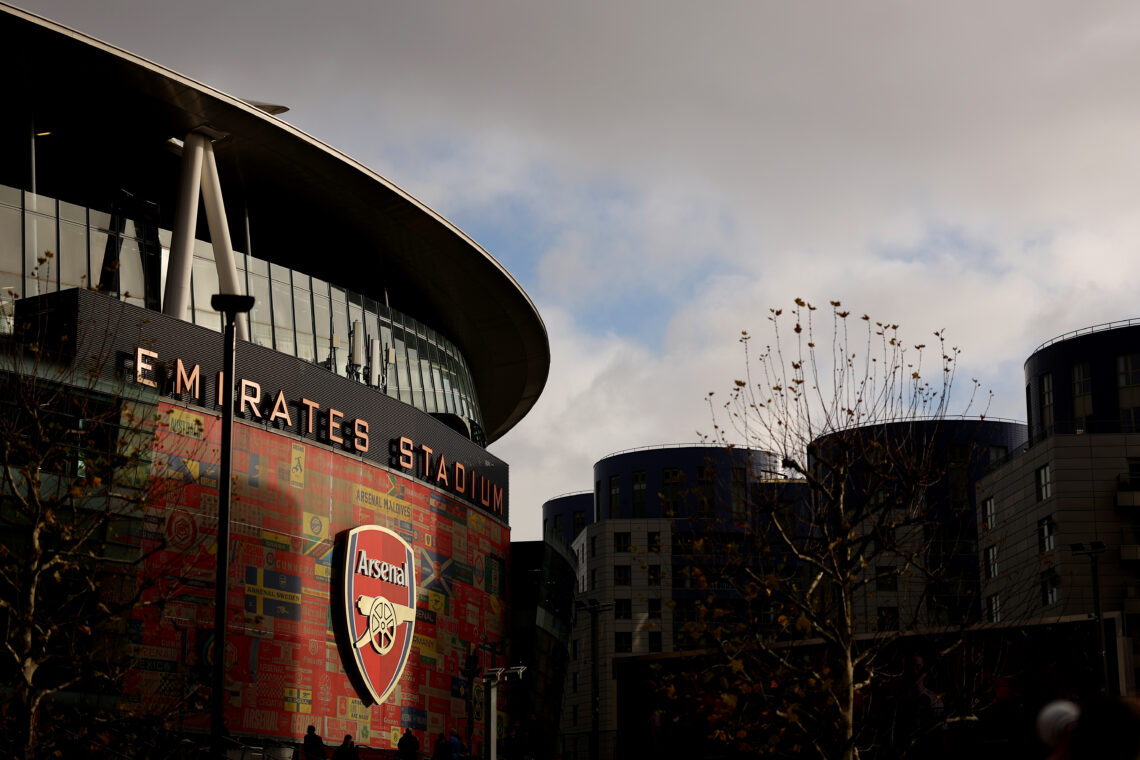

Arsenal’s push back toward the elite isn’t powered only by tactics and talent. It’s also driven by a growing commercial machine that funds everything from transfer fees to wage renewals while keeping the club inside financial regulations. Shirt sponsors, sleeve deals, regional partners, tours, and digital content now shape how far Arsenal can stretch competitively. The numbers from recent accounts—record turnover of £616.6 million to £617 million, commercial revenue of £218.3 million, matchday income up to £131.7 million, broadcasting at £262.3 million, and a wage bill rising to £327.8 million—show a club building muscle off the pitch to chase bigger ambition on it.
The Commercial Engine as Arsenal’s Competitive Fuel
Arsenal’s modern strategy treats commercial income like oxygen for sporting ambition, not background noise. Recent financial reports show record turnover of £616.6 million to £617 million, with commercial revenue reaching £218.3 million and matchday income rising to £131.7 million. Those three lines moving upward together matter because they widen Arsenal’s margin for investment under Premier League PSR and UEFA sustainability rules. Even with that progress, the club still posted a £17.7 million to £17.0 million loss, which highlights the balancing act: grow revenue fast enough to carry an elite squad without tipping into rule-breaking deficits. That’s why commercial acceleration is a competitive necessity, not a luxury.
Front-of-Shirt Partnerships: Global Reach, Local Roots
The front-of-shirt sponsor remains Arsenal’s most powerful commercial asset because it sits at the center of every broadcast shot, retail kit, and global highlight clip. Arsenal’s long-standing association with Emirates gives the club a stable, high-level partner that provides worldwide visibility and financial reliability. These front deals are global by nature: they monetize Arsenal’s international audience in the Premier League and in Europe, scaling instantly when the club qualifies for the Champions League. Yet they also depend on Arsenal’s local identity. The North London story, the Emirates atmosphere, and the club’s tradition help a global logo feel authentic rather than rented space, which is why this layer keeps driving the £218.3 million commercial total upward.
Sleeve Deals and Kit Suppliers: The “Second Layer” That Adds Up
Sleeve sponsorships have become one of the Premier League’s fastest-expanding categories because they offer strong visibility at a lower price than a shirt-front deal. Across the league, sleeves now attract tourism boards, tech firms, and other brands trying to ride football’s weekly exposure. For Arsenal, a strong sleeve partner adds meaningful revenue without needing a headline deal renegotiation. Parallel to that sits the kit supplier relationship, where global brands fight for placement on elite clubs. Arsenal being an Adidas club places them inside a worldwide retail ecosystem that converts sporting relevance into steady merchandise income. This “second layer” rarely dominates fan debate, but it quietly thickens the commercial platform year after year.
Regional Partners: Turning Arsenal Into a Portfolio
Regional partnerships let Arsenal monetize fandom far beyond London by selling localized commercial rights in specific territories. Instead of relying on a single mega-deal, Arsenal build a portfolio: one category partner in one region, another category partner elsewhere, each paying for targeted access to local fanbases. This is where “global vs. local deals” becomes practical. Global deals buy worldwide attention, but regional deals sell relevance to a particular market—banking here, telecoms there, retail somewhere else—while still benefiting from Arsenal’s international brand. The result is scalable growth: more partners means more diversified income streams, which stabilizes commercial revenue and reduces dependence on any single sponsor.
Tours and Friendlies: Matchday Money Beyond London
Preseason tours aren’t just warm-weather fitness blocks; they are traveling commercial events. Arsenal can bundle tour-specific sponsorship packages, earn gate receipts from friendlies, and sell merchandise directly in new markets. Tours also strengthen relationships with regional partners because brands get real-world activation, not just a logo on a webpage or banner. This matters when matchday income is rising at home to £131.7 million—tours act like an extra matchday lane abroad, generating cash during periods when competitive fixtures aren’t being played. In revenue terms, summer becomes a second season, and the club’s global footprint turns into immediate financial return.
Digital Content and Fan Engagement as a Revenue Multiplier
Arsenal’s digital growth—social media, video series, behind-the-scenes access, and club-run content—has shifted from branding support to direct commercial inventory. Sponsors now value measurable reach: impressions, clicks, watch-time, and follower momentum. Digital guarantees visibility even when there’s no match, which raises Arsenal’s bargaining power in renewals and new partnership types. Outside the Emirates, brands in sectors as varied as streaming platforms, fintech and the best online casinos track how football coverage and comparison sites increase their visibility, even if the average Arsenal fan is only interested in what those commercial deals mean for the transfer budget. The key is that these sectors help widen Arsenal’s sponsor market without changing how supporters experience the sport.
Growing Matchday Income: The “Local Deal” That Scales
Matchday income is Arsenal’s most tangible local revenue stream, and it’s rising sharply. The club’s matchday total climbed to £131.7 million in 2023-24, boosted by Champions League nights and consistently high demand at the Emirates. Leaguewide, Premier League matchday revenue surpassed £900 million combined in 2023-24 and is projected to approach £1 billion in 2024-25, showing how stadium-driven earnings are expanding across top clubs. For Arsenal, every sold-out league game, European tie, and premium hospitality package behaves like a commercial asset: dependable, repeatable, and expandable through better fan experiences and higher-value seating.
From Revenue to Squad-Building Under Financial Rules
Arsenal’s spending power now depends on revenue stability as much as sporting results. The wage bill rose to £327.8 million from £234.8 million, a 40% jump, reflecting contract renewals and squad upgrades needed for title-level competition. That increase is only sustainable if commercial and matchday lines keep rising alongside it. Player trading also feeds the model, with £51.1 million in player-sale profit easing compliance pressure. Commercial revenue matters most here because it’s less volatile than prize money. It allows Arsenal to plan multi-year wage commitments and transfer amortization confidently while staying inside financial sustainability limits.
The Premier League Sponsorship Crowd: Competing for Attention
The Premier League is now a crowded sponsorship battlefield, with clubs fighting for visibility across shirt fronts, sleeves, kits, stadium rights, and digital placements. Commercial revenue across the league is projected to hit £2.3 billion in 2024-25, underlining how aggressively brands are investing in football as a marketing platform. Arsenal compete directly with rivals who leverage trophies, star power, and global ownership networks to secure mega-deals. In this climate, Arsenal can’t rely solely on performance spikes to win sponsorship races. They need to sell distinct identity and strong engagement metrics so partners see Arsenal as more than just another logo opportunity.
Smarter Partnerships vs. Pure On-Pitch Dependency
Some clubs inflate sponsorship value through relentless trophy runs, but Arsenal’s path is built on commercial intelligence. Better regional segmentation, richer digital packages, and partnerships that match Arsenal’s values can close revenue gaps even without a title every season. The club’s 33% jump in turnover in 2023-24 shows the upside of aligning sporting momentum with commercial planning. That alignment reduces financial risk: it means Arsenal can keep growing regardless of whether a single campaign ends with silverware, and it lets the club invest steadily instead of in short, reactive bursts.
What the Next Step Looks Like
Arsenal’s commercial puzzle is closer to solved than it has been in years. Record turnover of £616.6 million to £617 million, commercial revenue at £218.3 million, matchday income at £131.7 million, broadcasting at £262.3 million, a wage bill at £327.8 million after a 40% rise, and £51.1 million in player-sale profit describe a club building the financial base required for sustained elite performance. The remaining step is scale: keep widening global and regional sponsorship layers, keep selling digital reach, and keep turning the Emirates into a premium experience engine. If those off-pitch revenues keep climbing, Arsenal’s on-pitch ambitions become a direct financial outcome rather than a gamble.